

Every day a critical job sits open, it costs money.
There’s the obvious stuff: lost productivity, overtime, contractor costs, delayed projects, missed revenue. But there’s another cost that’s harder to see—and potentially much more expensive: the cost of not reaching the people who could fill the role.
Because too often, employers aren’t actually struggling to find talent. They’re struggling to reach the talent they really want.
We’ve built an entire recruiting ecosystem around people who are already looking. Job boards. Search. Career sites. Paid search. Retargeting. Even AI-powered job search is still, fundamentally, job search.
But the people you most want to hire aren’t necessarily sitting around looking for your job.
They’re working. Scrolling. Watching. Learning. Shopping. Living their lives.
And while they’re doing that, your open role is sitting quietly on a career site, waiting for someone to come looking for it.
That’s a distribution problem.
Think about the economics for a minute. If a role is costing the business hundreds of dollars—or thousands—every day it remains open, spending all of your recruitment marketing dollars trying to squeeze a little more efficiency out of the same job-search audience starts to look less like optimization and more like leaving money on the table.
The question isn’t just, “How do we get more applicants?”
It’s: “How do we get this job in front of people who would never think to search for it?”
That requires a different approach to distribution.
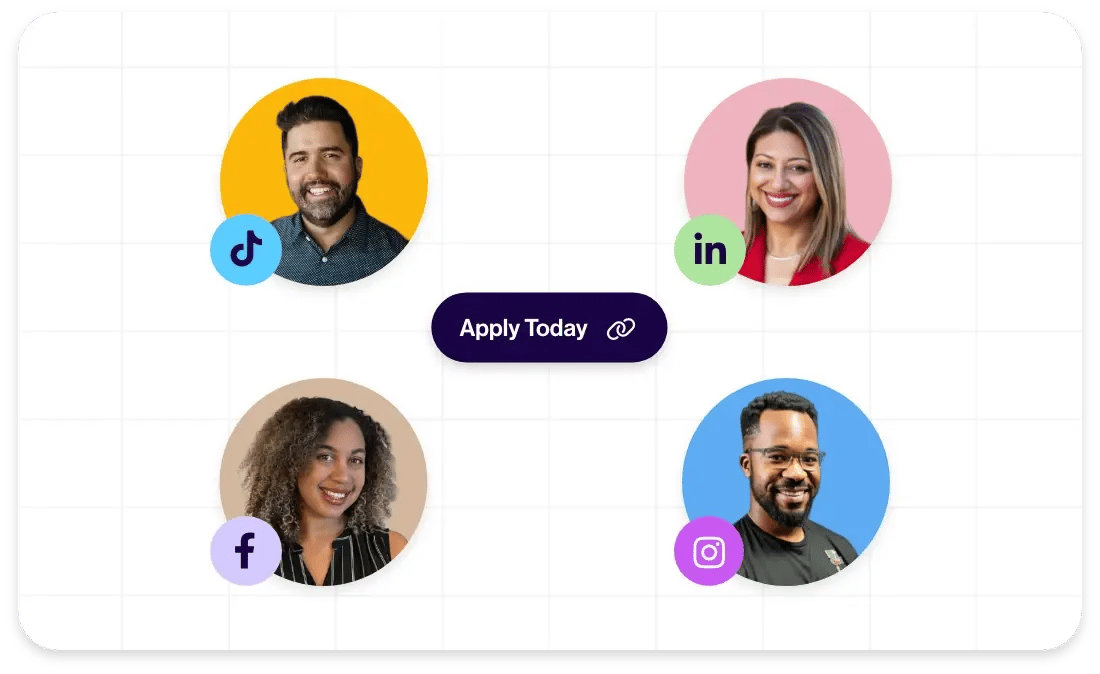
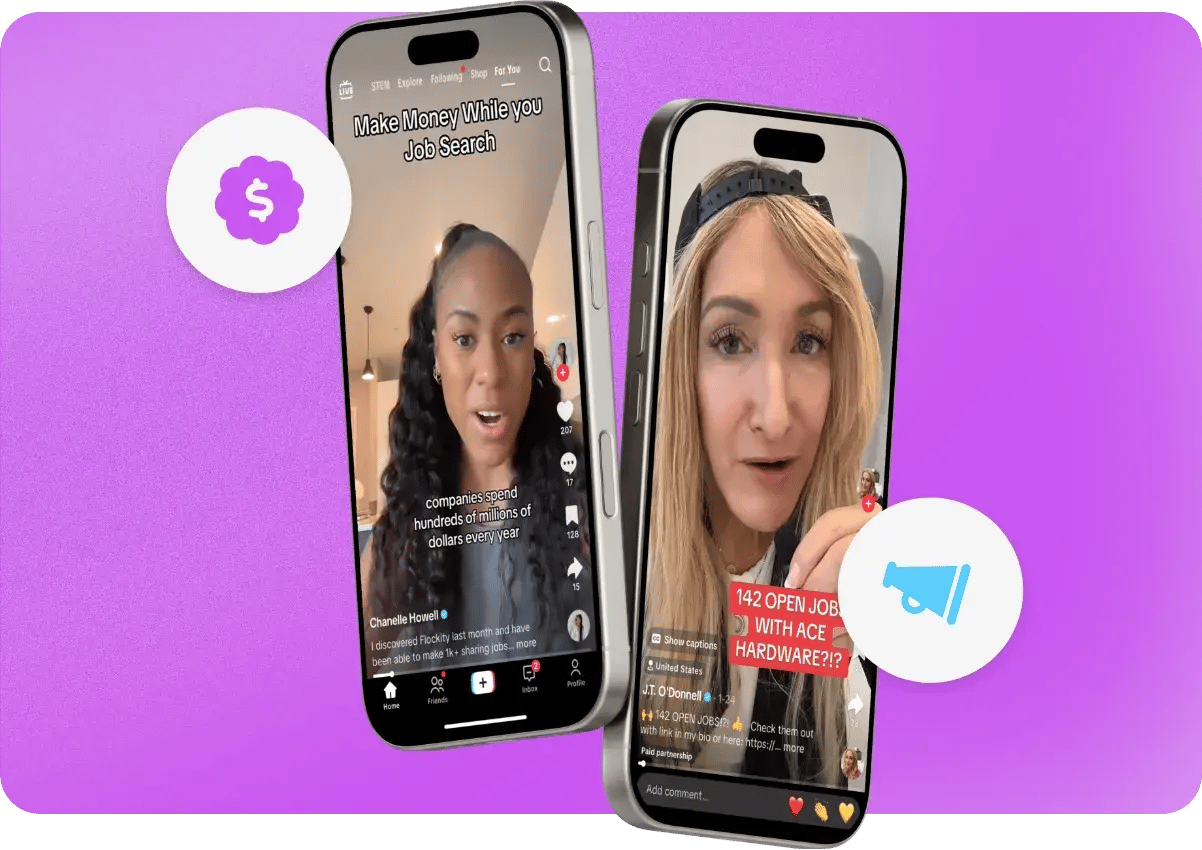
People are already distributing ideas, products, recommendations and opinions to their networks every single day. They share what they love. They influence what their friends consider. They introduce people to things they didn’t know they wanted.
Jobs can work the same way.
When a person discovers an opportunity from someone they trust—rather than encountering it as another piece of corporate recruitment advertising—the dynamic changes.
It feels less like an ad.
More like a recommendation.
And that matters because the talent you want isn’t confined to the audience actively searching for jobs today.
Your next great hire may be out there right now, perfectly qualified, completely unaware that your job exists.
You don’t have a talent shortage if the talent is there. You have a distribution problem if they never see the opportunity.
And every day they don’t see it is another day that open job keeps costing you.