

For years, talent acquisition has operated under a simple assumption: employers compete against other employers.
Better salaries. Better benefits. Better employer brand. Better careers page.
But that isn't the competition anymore.
Today, before a candidate decides whether your company is worth considering, another decision has already been made—by an algorithm.
TikTok decides whether someone sees a creator talking about your company. LinkedIn decides whether your employee's post appears in a professional's feed. Instagram decides whether your hiring story reaches someone who wasn't actively looking for a job. Even Google increasingly decides which content deserves attention before people ever type a search query.
Discovery has become algorithmic.
That changes everything.
Most employer branding teams still measure success by the quality of the content they produce. They invest in polished videos, carefully written job descriptions, beautifully designed career sites, and sophisticated recruitment campaigns.
All of that matters.
But none of it matters if nobody sees it.
The challenge isn't creating better content. The challenge is earning distribution.
Algorithms reward content that people engage with, share, comment on, and recommend. They reward authenticity, conversation, and trust. They are designed to amplify people—not brands.
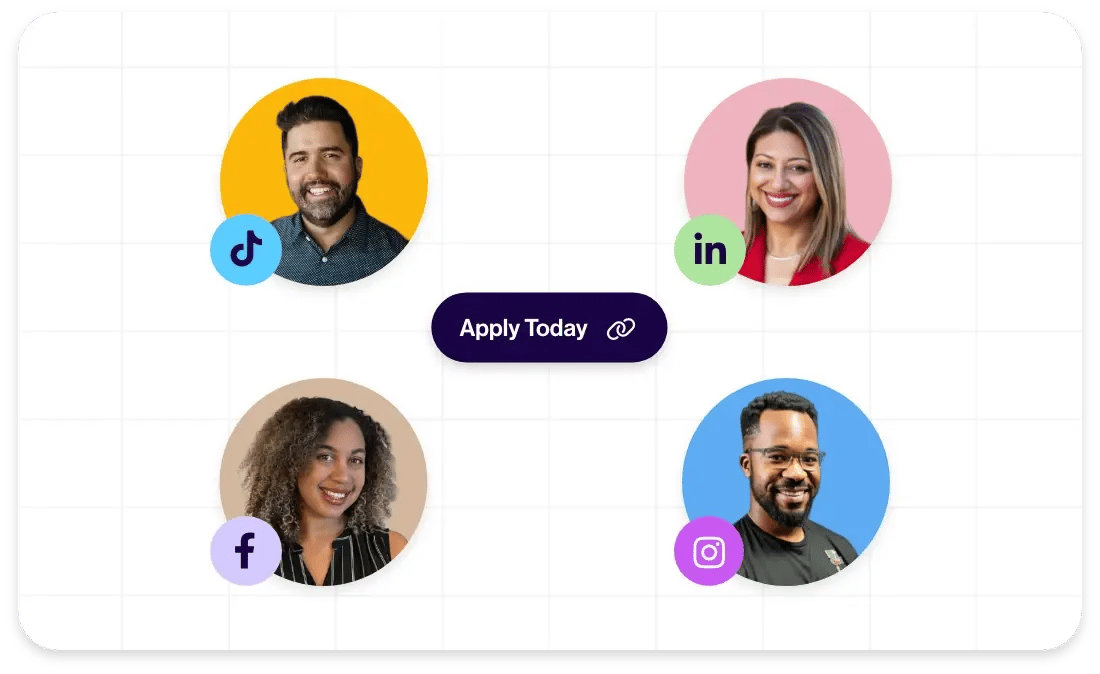
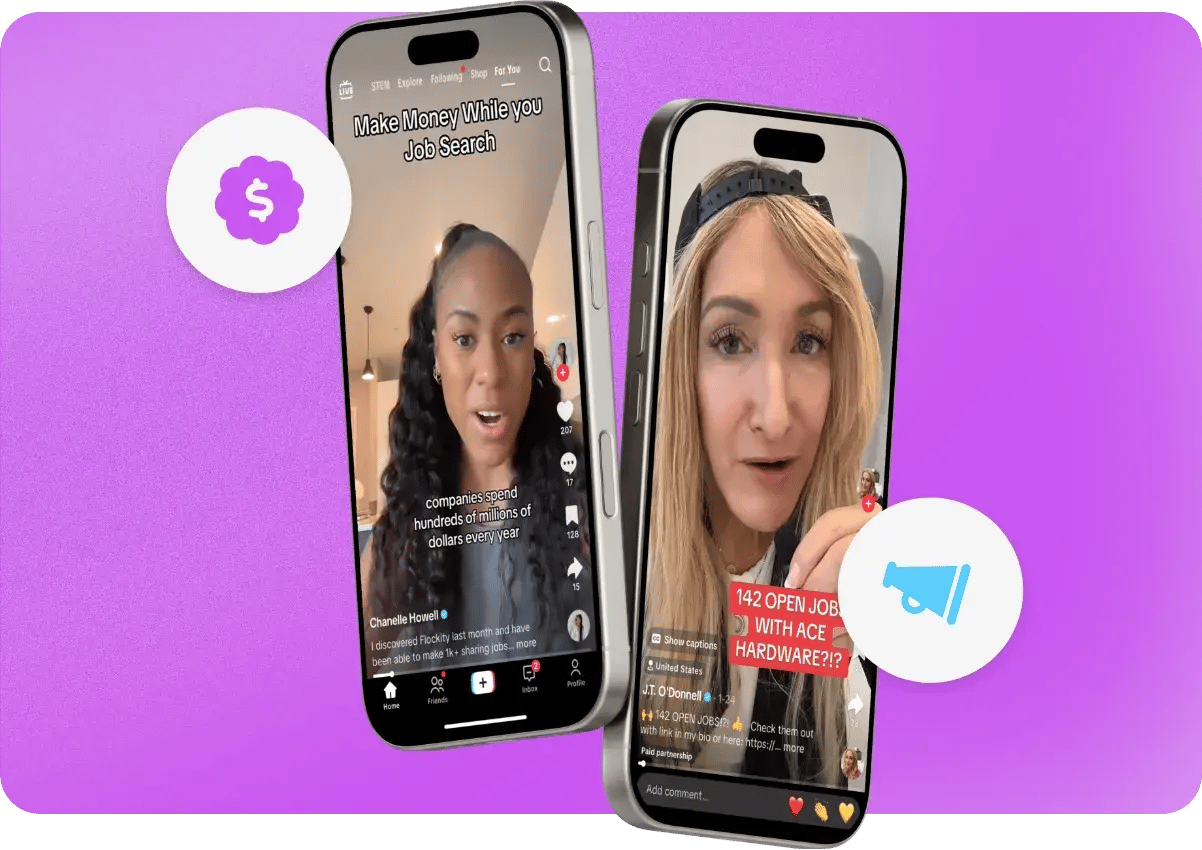
That's why creator-led content consistently outperforms traditional corporate recruiting content. It feels like a recommendation instead of an advertisement. It starts conversations instead of broadcasting messages. Most importantly, it earns engagement, and engagement earns reach.
This is where many employer branding strategies break down.
Organizations spend enormous effort perfecting what happens after someone arrives at the career site, while spending far less time thinking about how candidates discover the opportunity in the first place.
The old recruiting funnel assumed people were already looking.
Today's workforce often isn't.
The best candidates are working. They're scrolling during lunch, watching short-form videos after work, or catching up with creators they trust. They're discovering opportunities passively, not actively searching job boards.
The brands that win in this environment don't simply publish jobs.
They create signals that algorithms want to distribute.
That requires a shift in mindset.
Employer branding is no longer just about telling your story. It's about making your story discoverable.
It's no longer enough to ask, "Is this good content?"
The better question is, "Will the algorithm choose to show this to someone?"
Because before a candidate can choose your company, your content has to be chosen first.
The future of employer branding won't belong to the organizations with the biggest budgets.
It will belong to the organizations that understand how discovery works.
In the age of algorithmic distribution, visibility isn't just a marketing metric.
It's a hiring strategy.