

Most companies believe employee advocacy is something they need to create.
A program to launch.
A behavior to encourage.
A campaign to manage.
But that’s not how it works.
Because your employees are already talking.
The question is whether anyone beyond their immediate circle is hearing it.
Influence Is Already There
In every company, there are people who shape perception:
- The teammate everyone goes to for advice
- The one who posts about projects and milestones
- The culture carrier who welcomes new hires
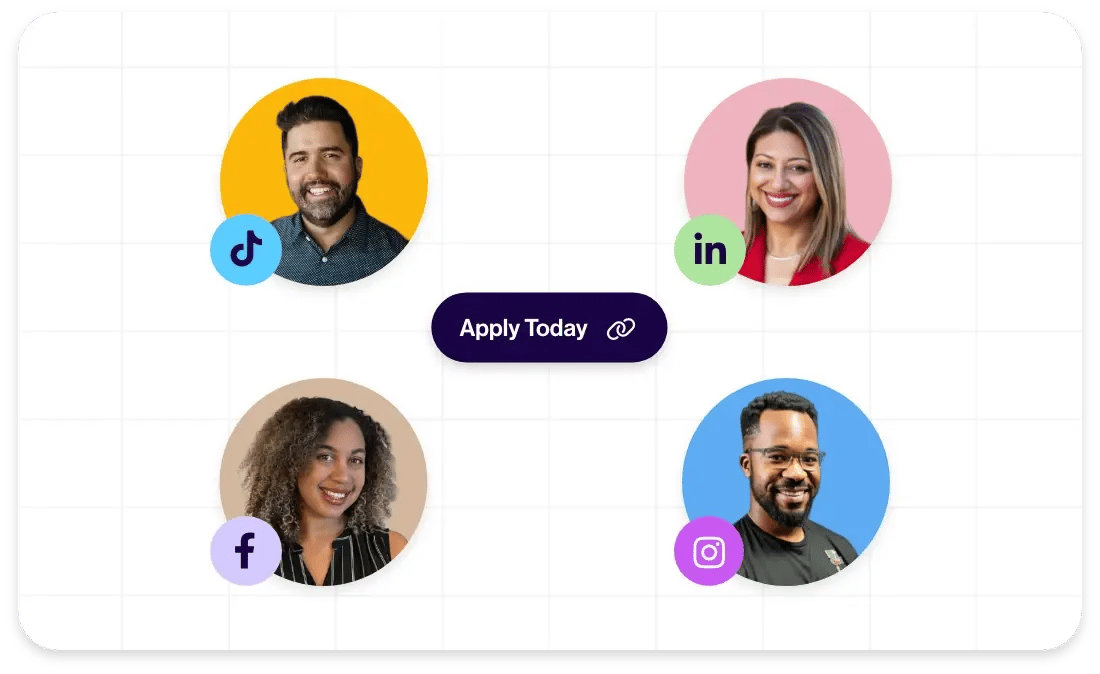
- The quiet connector who shares opportunities in group chats
They may not call themselves influencers.
But they influence decisions every day.
Who to work for.
What teams are like.
Which opportunities are worth exploring.
This is happening with or without you.
The Missed Opportunity
Most organizations don’t have an advocacy problem.
They have an amplification problem.
They rely on:
- Corporate channels with limited reach
- Carefully worded posts that feel impersonal
- One-size-fits-all messaging
Meanwhile, authentic, trusted conversations are happening in parallel—completely disconnected from any strategy.
That’s the gap.
Not lack of voice.
Lack of scale.
Control Is the Wrong Goal
One of the biggest reasons companies struggle here is control.
They want approved messaging.
Polished content.
Predictable outcomes.
But that’s exactly what makes employer branding ineffective.
Because trust doesn’t come from polish.
It comes from perspective.
The more you try to control the message, the less believable it becomes.
The companies getting this right understand that their role isn’t to script employees.
It’s to enable them.
What Amplification Actually Looks Like
Amplifying employee voice doesn’t mean forcing participation.
It means removing friction and creating momentum.
That can look like:
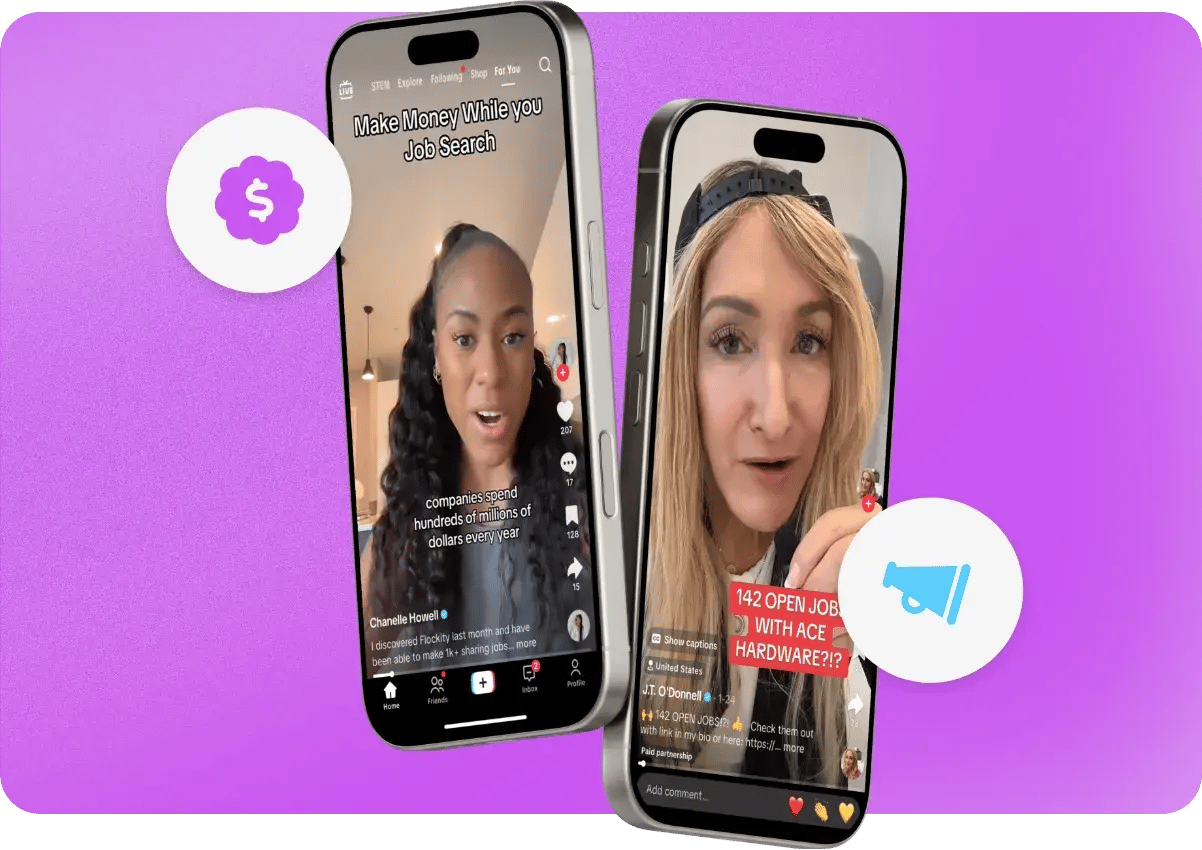
- Making it easy for employees to share roles in their own voice
- Providing optional content they can adapt—not copy/paste
- Highlighting and celebrating participation instead of mandating it
- Extending reach beyond immediate networks through smart distribution
The goal isn’t to turn employees into marketers.
It’s to turn existing behavior into a system.
From Individuals to Infrastructure
When you operationalize employee voice, something powerful happens.
Reach expands.
Credibility increases.
Opportunities travel further and faster.
What was once informal becomes repeatable.
What was once limited becomes scalable.
And suddenly, hiring isn’t dependent on a single channel.
It’s powered by a network.
The Bottom Line
Your employees are already shaping how your company is perceived.
They’re already influencing who considers you—and who doesn’t.
You don’t need to create that energy.
You need to amplify it.
Because the most trusted voice in hiring…
was never your brand to begin with.