

Recruiting teams have become highly sophisticated at optimizing what happens after a candidate enters the funnel. Conversion rates are tracked. Career sites are A/B tested. Application drop-off is analyzed with precision. But there is a fundamental flaw in this approach that is often overlooked:
Most candidates never enter the funnel at all.
This is the hidden problem in modern talent acquisition—you can’t optimize reach that never happened.
The traditional recruiting model assumes visibility is a given. Post a job, distribute it across job boards, and assume the right candidates will see it. But candidate behavior has changed dramatically. Today’s workforce is not actively browsing job boards in the same way. Instead, they encounter opportunities passively—through social media, peer networks, creators, and community content.
This shift exposes a critical gap in recruiting strategy: distribution is now more important than optimization.
If a job post doesn’t reach the right audience in the first place, no amount of funnel optimization can recover it. This is why companies are seeing diminishing returns from traditional job board spend and career site enhancements. They are improving efficiency inside a system that is already structurally limited.
The better question is not “How do we improve application conversion?” but “How do we ensure the right people actually see the opportunity?”
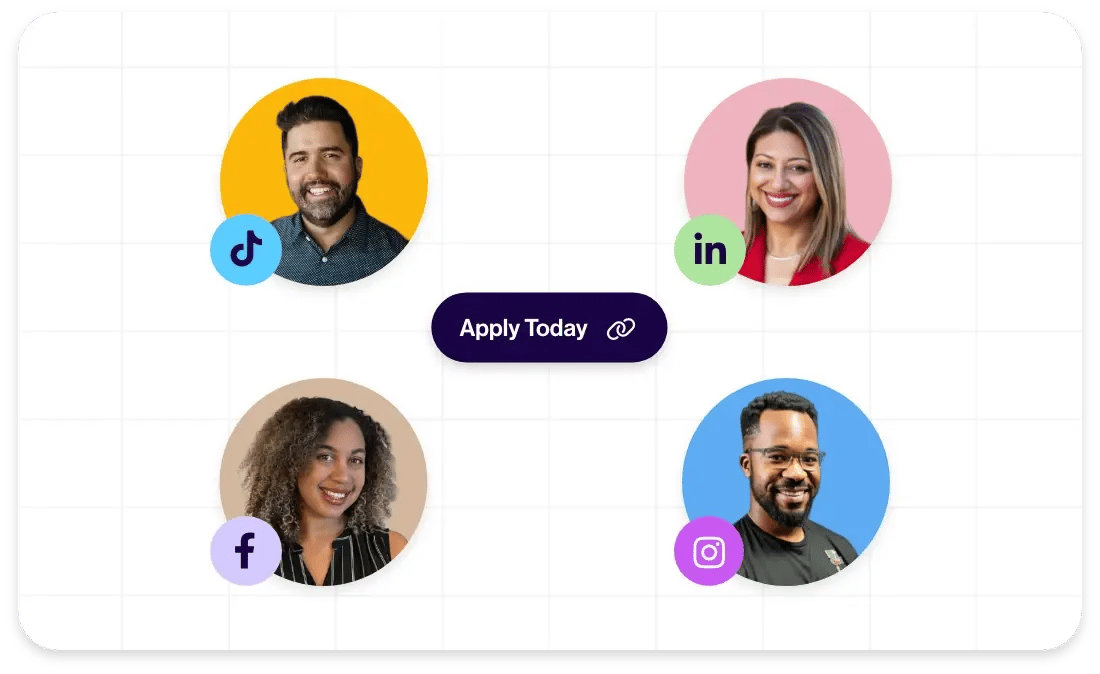
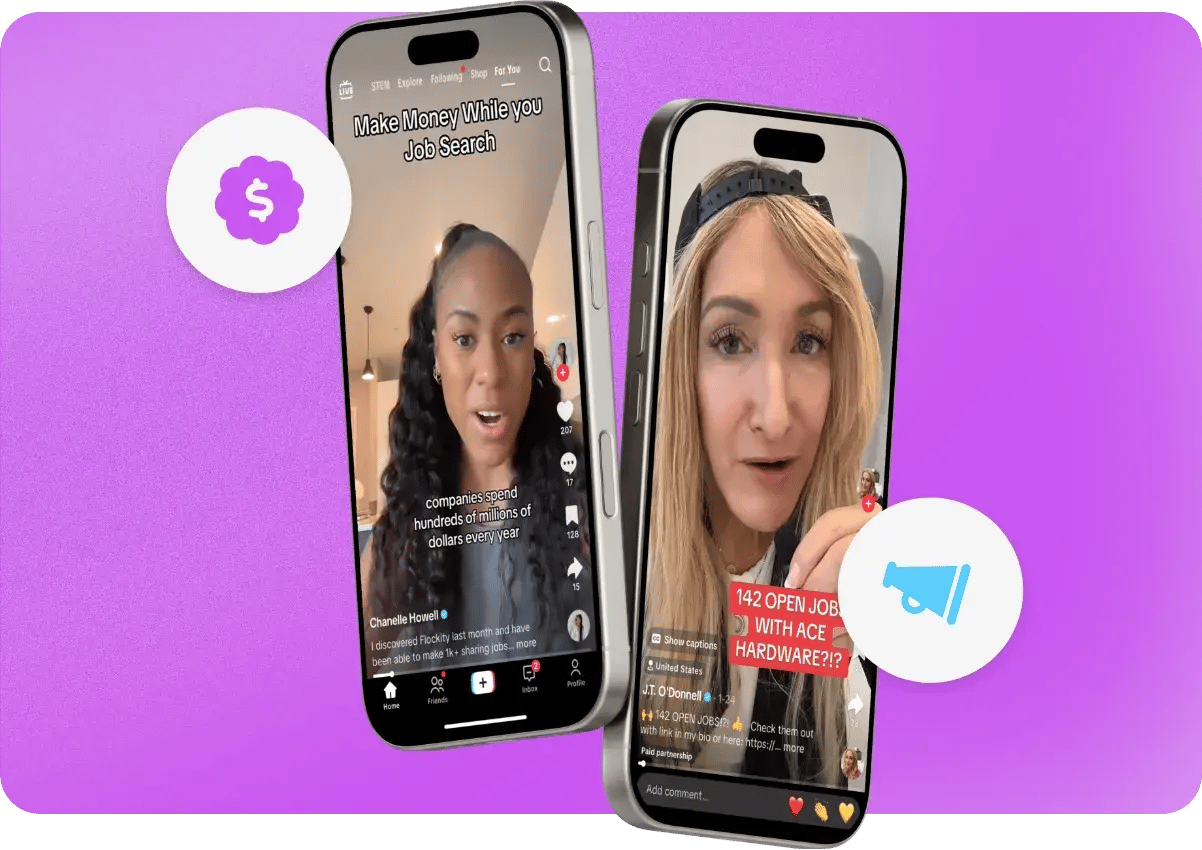
This is where job discovery becomes essential. Job discovery is not about active search—it is about passive exposure. It happens when a candidate encounters an opportunity in the flow of their daily digital behavior. That could be a TikTok creator explaining a role, a LinkedIn post from someone in their network, or a micro-influencer sharing a job in a niche community.
In this model, reach is not a function of spend alone—it is a function of trust and distribution networks.
This is also where many employer branding efforts fall short. Companies invest heavily in content creation but fail to distribute it beyond owned channels. As a result, even strong employer brand messaging becomes invisible to the audiences it is intended to influence.
The result is a paradox: more content than ever, but less meaningful reach.
To solve this, talent acquisition leaders need to rethink the structure of their top-of-funnel strategy. Instead of treating distribution as an afterthought, it must become the primary layer of the system. Reach must be engineered through networks that already have attention—not built from scratch through paid amplification alone.
This is why creator-led recruiting models and decentralized distribution networks are gaining traction. They don’t just optimize reach—they create it in places where traditional recruiting cannot.
Ultimately, optimization only matters after discovery has occurred. And discovery only happens when distribution is designed intentionally.
Until then, recruiting teams will continue to refine funnels that too few candidates ever enter.