

Employer branding has become a standard investment for most organizations. Careers pages are redesigned. Social media content is published consistently. Employee stories are filmed, edited, and shared across channels. Yet despite this increased output, many companies still struggle with one core issue:
Candidates are not engaging with the content.
The assumption is often that the problem lies in messaging or creative quality. But in most cases, the real issue is far simpler: the content is not being distributed where candidates actually are.
Employer brand content tends to live in controlled environments—corporate LinkedIn pages, career sites, and owned social accounts. While these channels are important, they are inherently limited in reach. They primarily serve people who already know the company or are actively seeking it out.
This leaves out the majority of the talent market: passive candidates.
Passive candidates do not follow employer brand pages. They do not regularly visit career sites. They encounter opportunities in entirely different environments—through peer networks, creators, niche communities, and algorithm-driven feeds.
This disconnect creates a structural visibility problem. Companies are investing in storytelling, but not in storytelling distribution.
The result is a paradox: employer brand content is at an all-time high in volume, but at a low point in impact.
To solve this, organizations need to shift their thinking from content production to content propagation.
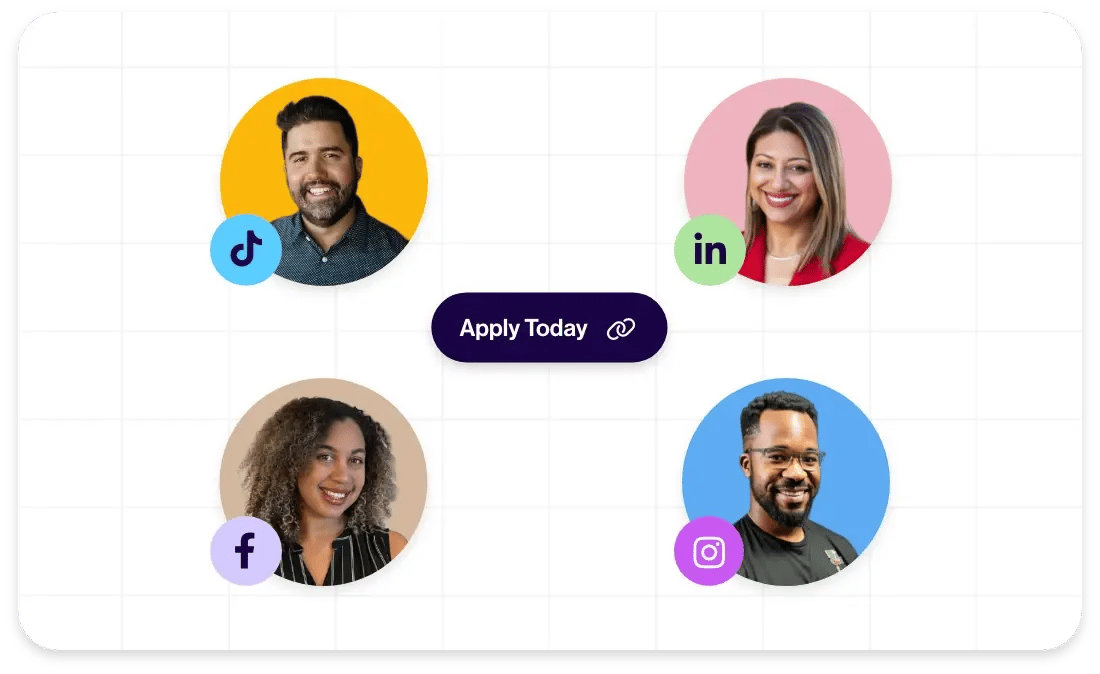
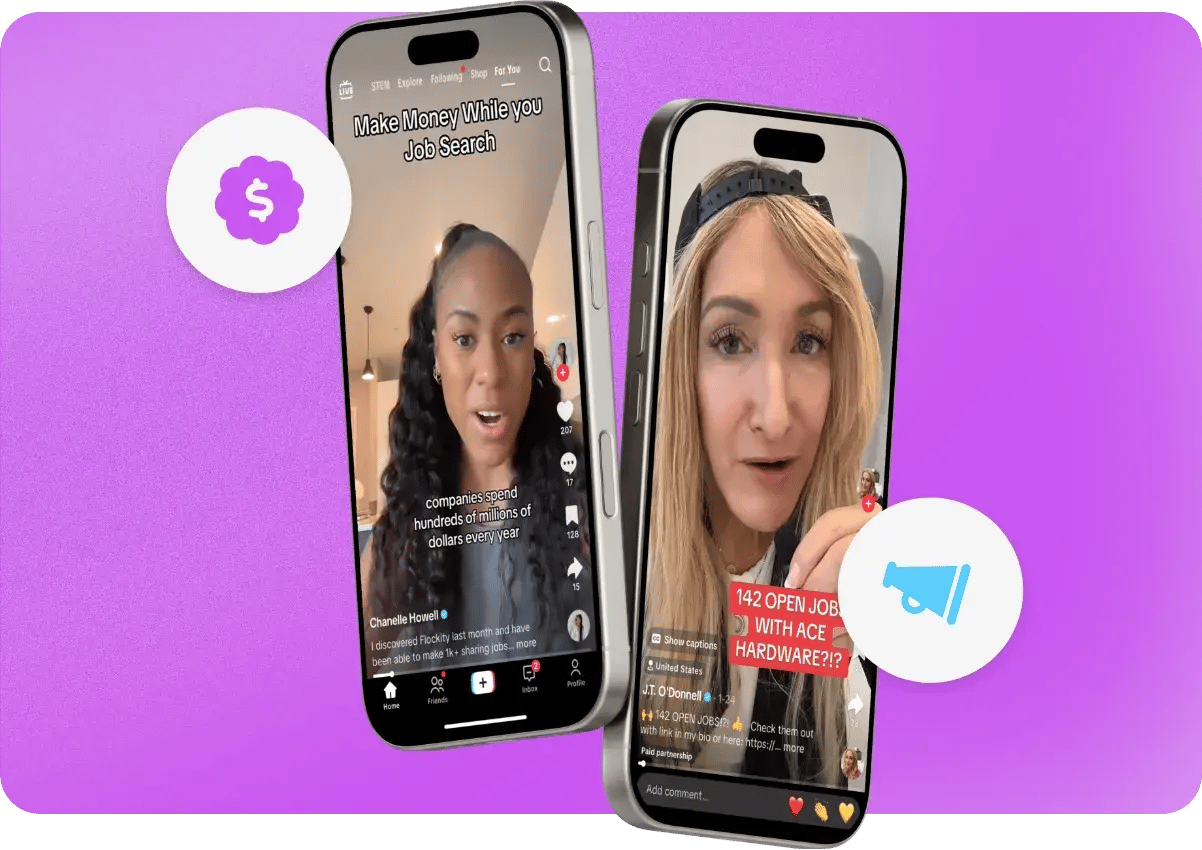
Propagation means moving content through trusted networks rather than relying solely on owned channels. It means enabling employees, creators, and community voices to distribute messaging in a way that feels native to their audiences.
This is where trust becomes central. Candidates are far more likely to engage with content shared by individuals they trust than by corporate accounts. The message may be identical, but the context changes its impact entirely.
In this sense, employer branding is no longer just a marketing function—it is a network design problem.
The question is not “What content should we create?” but “How do we ensure this content travels?”
Without distribution, even the strongest employer brand narrative remains invisible. With distribution, even simple messages can become powerful signals in the right communities.
This is why modern recruiting strategies are increasingly focused on decentralized distribution models. They recognize that visibility is not achieved through publishing—it is achieved through sharing.
Employer brand content does not need to be reinvented.
It needs to be released into the networks where attention already exists.