

Employee advocacy has become a staple of modern employer branding.
And on the surface, it looks like progress.
Employees are posting.
Stories are being shared.
Audiences are engaging.
Companies have invested in tools, encouraged participation, and built programs designed to amplify their brand through their people.
But when you look closer, something doesn’t add up.
All that activity—likes, comments, shares—rarely translates into applicants.
The content is working.
But the outcome isn’t.
That’s the gap.
Most employee advocacy programs were never designed to drive hiring results. They were built for awareness, not action. For storytelling, not conversion.
So what you end up with is a system that generates visibility… but stops short of impact.
There are a few reasons this happens.
First, there’s no connection between content and jobs.
Employees are encouraged to share their experiences, but rarely given a clear path to tie those stories back to open roles. Even when they do, it’s often inconsistent or buried.
Second, there’s no amplification of what’s working.
In any organization, a small percentage of employees naturally create content that resonates. They have the voice, the credibility, and the audience. But most programs treat all participation equally, rather than identifying and scaling top performers.
Third, there’s no infrastructure to support consistency.
Advocacy becomes episodic—something employees do occasionally—rather than a sustained, repeatable channel for distribution.
And without consistency, there’s no compounding effect.
This is where the shift needs to happen.
From advocacy to activation.
From participation to performance.
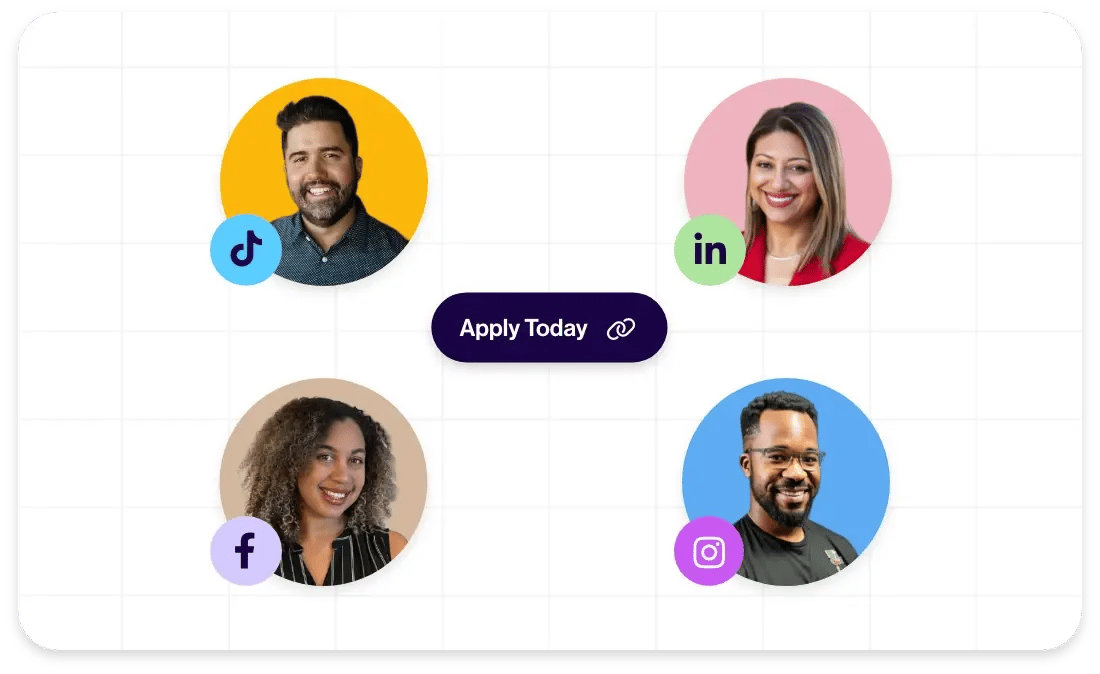
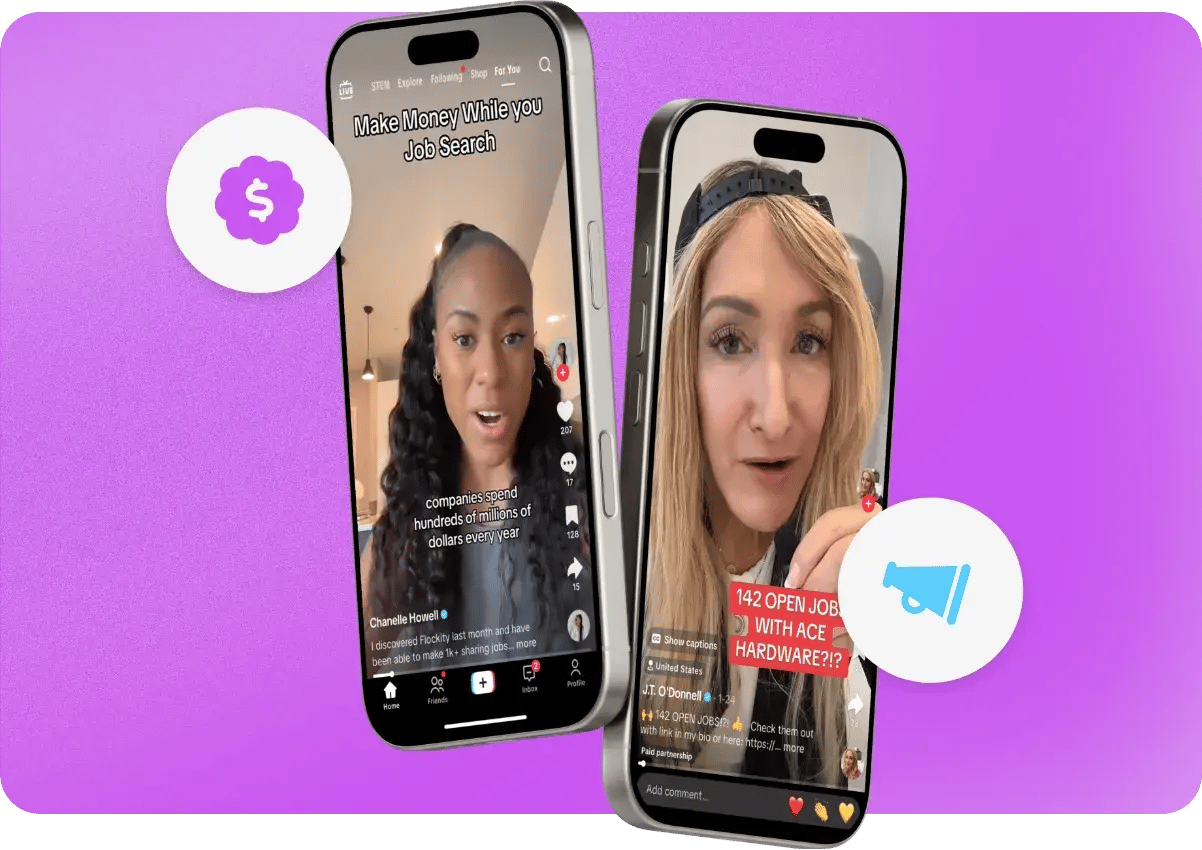
The companies seeing real results are starting to apply influencer marketing principles to their employee base.
They’re identifying employees who already have influence—whether that’s 500 followers or 50,000—and enabling them to act as ongoing distribution channels.
They’re connecting content directly to hiring needs, making it easy for audiences to move from interest to action.
They’re measuring outcomes, not just engagement—tracking how content contributes to visibility, traffic, and ultimately, applicants.
In other words, they’re treating employee content as a strategic asset, not a nice-to-have.
Because it is.
Employees have something no brand ever will: trust.
And in a market where candidates are skeptical of corporate messaging, that trust is what drives decisions.
But trust alone isn’t enough.
It needs direction.
It needs structure.
It needs scale.
Otherwise, it stays as noise.
The opportunity isn’t to get more employees posting.
It’s to turn the content they’re already creating into a system that actually moves talent.
That’s the difference between advocacy and impact.