

For years, authenticity has been treated as a branding aspiration.
Companies wanted to appear authentic. Marketing teams invested in brand voice. Employer branding teams worked to humanize the employee experience. Recruitment marketing shifted away from polished corporate messaging toward stories that felt more personal and relatable.
Authenticity became a strategy.
Today, it's something else entirely.
It's an algorithmic advantage.
Every major social platform is built around a deceptively simple objective: keep people engaged. The longer users stay on a platform, the more valuable that platform becomes. To achieve that, algorithms constantly evaluate what captures attention and sparks meaningful interaction.
The algorithm doesn't understand trust.
It understands behavior.
Did someone stop scrolling?
Did they watch until the end?
Did they comment?
Did they share the post with a colleague?
Did they save it for later?
These signals tell the algorithm that a piece of content is worth showing to more people. Over time, billions of these interactions have taught algorithms something fascinating: people consistently engage more deeply with other people than they do with brands.
Without ever being programmed to value authenticity, algorithms have effectively learned to reward it.
The Engagement Economy
For decades, recruitment marketing operated in what could be called the advertising economy. Organizations purchased visibility through job boards, paid social campaigns, career site optimization, and recruitment advertising.
Visibility could be bought.
Today, visibility is increasingly earned.
Algorithms decide who gets discovered, and their decisions are largely based on engagement. This changes the competitive landscape for employer branding in profound ways.
A beautifully produced recruitment video may impress an internal stakeholder meeting, but if it generates little engagement, its reach quickly stalls.
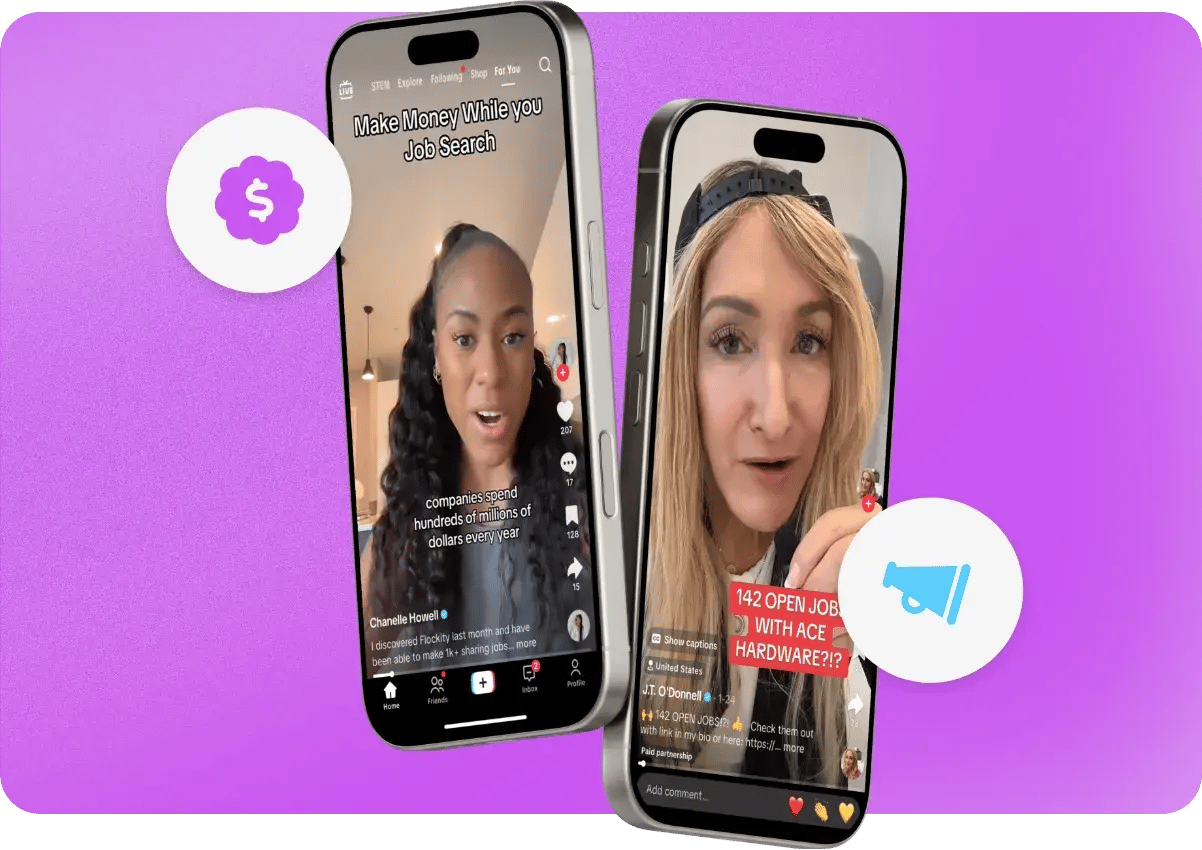
Meanwhile, a hiring manager sharing lessons from interviewing hundreds of candidates, an engineer discussing a challenging project, or a recruiter offering practical career advice often generates significantly more conversation. The production value may be lower, but the engagement is higher.
The algorithm notices.
This represents a fundamental shift in how employer brands grow.
Reach is no longer determined by budget alone.
It's determined by relevance.
Why Corporate Messaging Has a Ceiling
This isn't because companies have forgotten how to tell stories.
It's because audiences have become remarkably good at recognizing when they're being marketed to.
Corporate communications serve an important purpose. They establish consistency, communicate strategy, and protect the brand. But consistency isn't always what social platforms reward.
People are drawn to perspective.
Experience.
Personality.
Imperfection.
The very qualities that organizations have often tried to smooth out are the qualities that make content feel genuine.
An employee sharing why they stayed with a company after receiving another offer carries a level of credibility that no recruitment campaign can manufacture.
A career creator explaining why a company stands out in a crowded market feels like advice from a trusted colleague rather than a polished advertisement.
These moments invite conversation, and conversation fuels distribution.
Trust Is Becoming Measurable
Trust has traditionally been viewed as difficult to quantify.
Executives understand its importance, but they often struggle to connect it to business outcomes. That has made trust one of the more difficult investments to defend in budget conversations.
Algorithms are changing that.
Every interaction becomes evidence.
Every comment suggests curiosity.
Every share signals advocacy.
Every save indicates lasting value.
Collectively, these behaviors create measurable indicators that trust is influencing action.
The organizations that consistently generate these signals don't simply receive more engagement. They receive more visibility.
That visibility creates more awareness.
More awareness creates more career site traffic.
More traffic creates more opportunities for qualified candidates to discover the organization.
The relationship between trust and recruiting outcomes is becoming increasingly visible.
Trust is no longer just a cultural asset.
It's becoming a distribution asset.
The Rise of Human Networks
This helps explain why creator-led recruitment is gaining momentum.
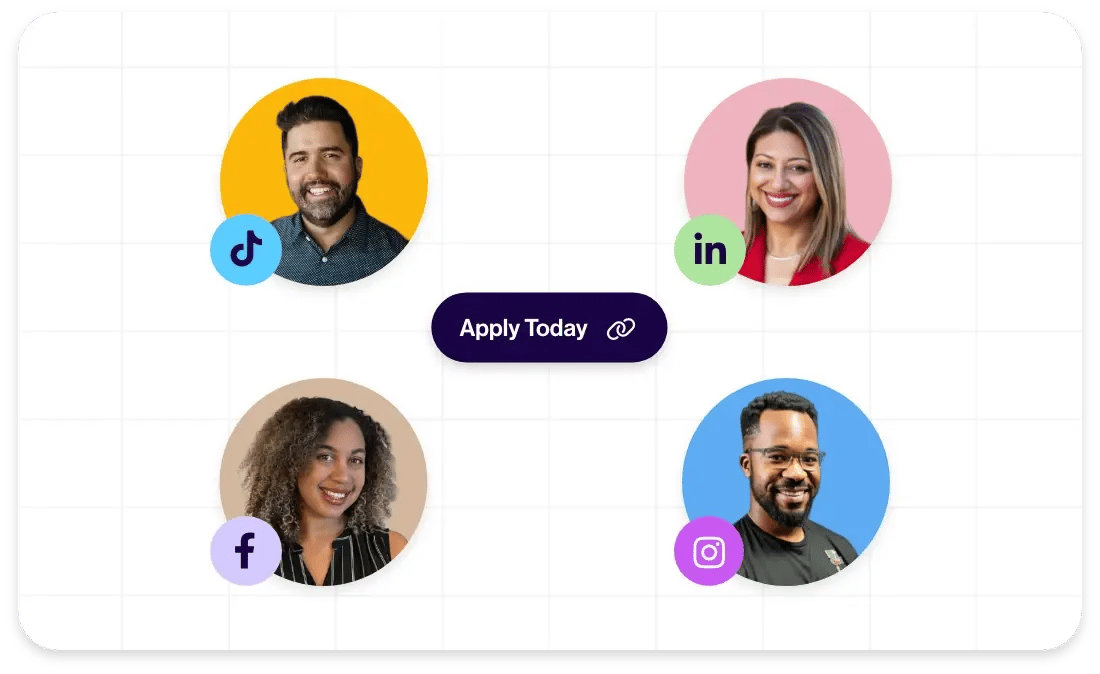
Employees, alumni, career coaches, industry experts, and niche creators have built communities around shared interests, professional expertise, and lived experiences. Their audiences don't follow them because they're recruiters. They follow them because they've earned credibility over time.
When these trusted voices introduce career opportunities, they aren't interrupting the conversation.
They're extending it.
That distinction matters.
The future of recruitment marketing isn't about replacing corporate messaging. It's about expanding the number of credible voices telling your story.
Every employee has a network.
Every creator has an audience.
Every hiring manager has expertise worth sharing.
Together, they form a distributed network of trust that no single corporate channel can replicate.
From Brand Control to Brand Participation
Many organizations still approach employer branding as something to control.
Every message is reviewed.
Every post is approved.
Every campaign is carefully orchestrated.
While governance remains important, the most successful employer brands are beginning to embrace a different philosophy.
Participation.
Instead of asking, "How do we control every conversation?" they're asking, "How do we empower more trusted voices to participate in the conversation?"
This mindset recognizes that employer brand no longer lives exclusively on a career site or a company page.
It lives wherever people are already talking about work.
Algorithms reward those conversations because people value them.
The organizations that thrive in this new environment won't necessarily produce more content than everyone else.
They'll produce more authentic moments.
And those moments will be shared by more trusted voices.
Authenticity Is No Longer Optional
Employer branding has entered an era where authenticity is no longer simply a communications principle.
It has become a growth strategy.
Not because authenticity is fashionable.
Not because younger generations demand it.
But because the algorithms shaping digital discovery have learned that authentic human stories consistently outperform polished corporate messaging.
That realization changes everything.
The future of employer branding belongs to organizations willing to trust their people, activate their communities, and embrace creators as an extension of their voice.
Because in an algorithm-driven world, authenticity isn't just what people prefer.
It's what platforms choose to amplify.
And the brands that understand that won't just build stronger reputations.
They'll build employer brands that are impossible to ignore.