

Here's a question recruitment marketers don't ask often enough:
What happens after someone sees you?
We have become very good at measuring reach.
Impressions. Views. Clicks. Engagement.
The numbers tell us how many people encountered our message.
But they don't tell us something arguably more important:
Did they believe it?
Because a million people seeing your employer brand isn't necessarily more valuable than 10,000 people seeing it through someone they already trust.
And that's where recruitment marketing is changing.
Reach used to be the goal.
For a long time, the equation was pretty simple:
More people see the job → more people click → more people apply.
So we built bigger career sites.
We bought more job advertising.
We expanded our social presence.
We optimized campaigns.
We chased impressions.
And, to be fair, those things can work.
But there's a problem.
Visibility doesn't automatically create consideration.
Especially when the person seeing your message wasn't looking for a job in the first place.
That's the world of job discovery.
Someone encounters your company while they're scrolling, watching, following, sharing or simply living their life.
They didn't ask to hear from you.
So the question becomes:
Why should they believe you?
The messenger changes the message.
Imagine two posts about the exact same job.
Post one comes from the company:
We're hiring! Join our amazing team and make an impact!
Post two comes from someone you already follow:
I've been watching this company for a while, and this role caught my attention. Thought I'd pass it along.
Same opportunity.
Same employer.
Same link.
Completely different introduction.
The second doesn't automatically make the job better.
But it gives the audience something the corporate post doesn't have:
context.
Someone has already decided this was worth putting in front of them.
That matters.
Because trust isn't just about believing that the information is accurate.
It's about believing that the information is worth your attention.
Trust is a distribution advantage.
This is where I think we're missing something in the conversation about social recruiting.
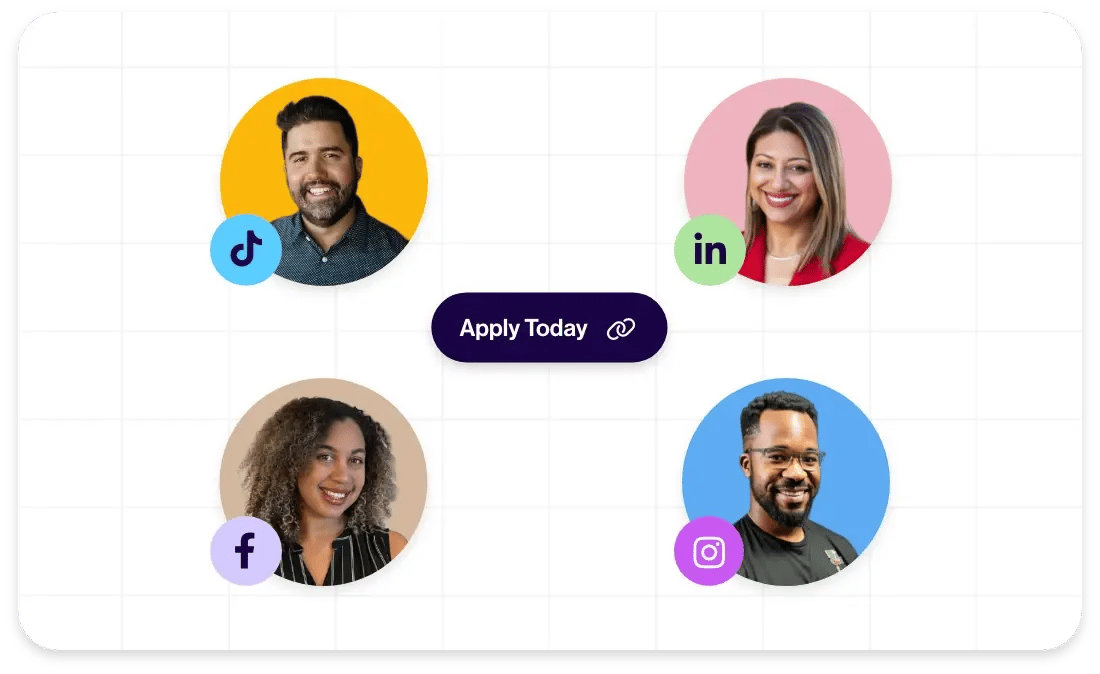
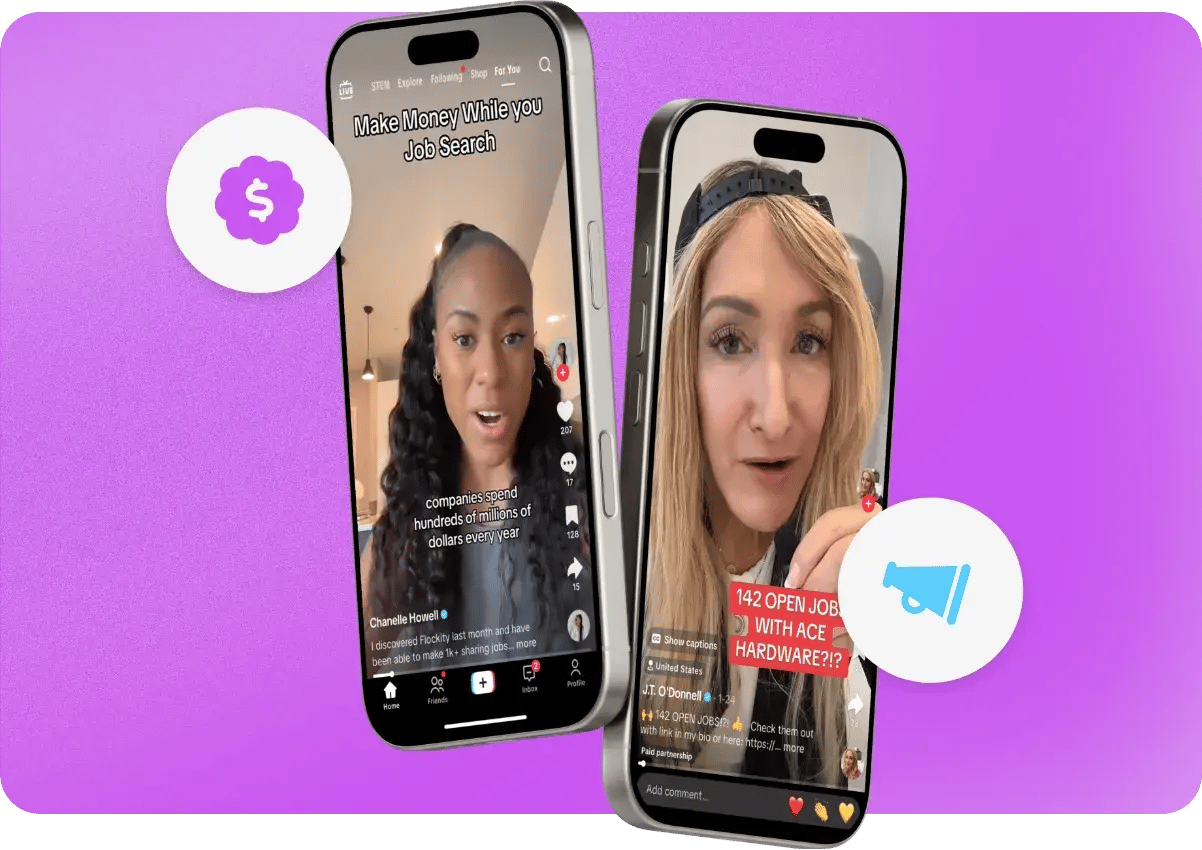
We often talk about creators, employees and advocates as distribution channels.
And they are.
But their real value isn't simply that they can put your job in front of more eyeballs.
It's that they can put your opportunity into an existing relationship.
A creator has spent time building credibility with an audience.
An employee has firsthand experience with your company.
A professional has built a reputation within a particular field.
When one of those people shares an opportunity, they're not just distributing a job.
They're providing a reason to stop.
That's incredibly powerful in a world where everyone is competing for attention.
This doesn't mean corporate channels don't matter.
They absolutely do.
Your career site still matters.
Your employer brand still matters.
Your social channels still matter.
Your job descriptions still matter.
Your paid media still matters.
But increasingly, those things are your proof points, not necessarily your introduction.
Think about it this way:
Your employer brand tells people what you want them to know.
People help them understand why they should care.
That's a very different job.
And trust compounds.
Here's the really interesting part.
Someone sees a creator talk about your company.
They don't apply.
That's okay.
Maybe they follow the company.
Maybe they click around your career site.
Maybe they mention the company to a friend.
Maybe three months later they see another employee post.
Maybe six months after that, an opportunity lands in their feed that is suddenly perfect.
The original interaction wasn't a failed conversion.
It was another layer of familiarity.
That's why discovery can't be measured only at the application.
The relationship starts much earlier.
And the more credible voices introducing your employer, the more opportunities you create for that relationship to begin.
So maybe we're measuring the wrong thing.
We don't need to stop measuring reach.
We need to stop pretending reach is the whole story.
The next generation of recruitment marketing will need to understand not just:
How many people did we reach?
But:
Who reached them?
Was that person credible to the audience?
Did the audience engage?
Did we reach people who didn't already know us?
Did the interaction create another opportunity for discovery?
Those are much more interesting questions.
Because the value of a distribution network isn't just how far it reaches.
It's how much trust travels with it.
And in a world where people are drowning in information, that may be the difference between being seen and being considered.
Reach gets you into the feed.
Trust gets you into the conversation.
And that's where recruitment marketing gets really interesting.