



Recruiting has traditionally been built on messaging. Job descriptions, employer branding campaigns, and paid ads all aim to communicate opportunity. But in today’s talent landscape, messaging alone is no longer enough.
The new currency of recruiting is not information. It is trust.
Candidates are increasingly skeptical of direct recruiting messages. They understand the intent behind them: companies are trying to fill roles. As a result, even well-crafted messaging often fails to cut through the noise.
Instead, candidates rely on signals from people they trust—peers, employees, creators, and community voices who provide context around opportunities.
This shift marks the rise of trust-based recruiting.
Trust-based recruiting does not replace messaging. It reframes how messages are validated. A job post shared by a trusted source carries significantly more weight than the same post delivered through a corporate channel.
This is because trust reduces uncertainty. It answers implicit questions candidates have:
- Is this role legitimate?
- Is this company worth my time?
- What is it really like to work there?
These questions are rarely answered by job descriptions alone. They are answered through lived experience and social validation.
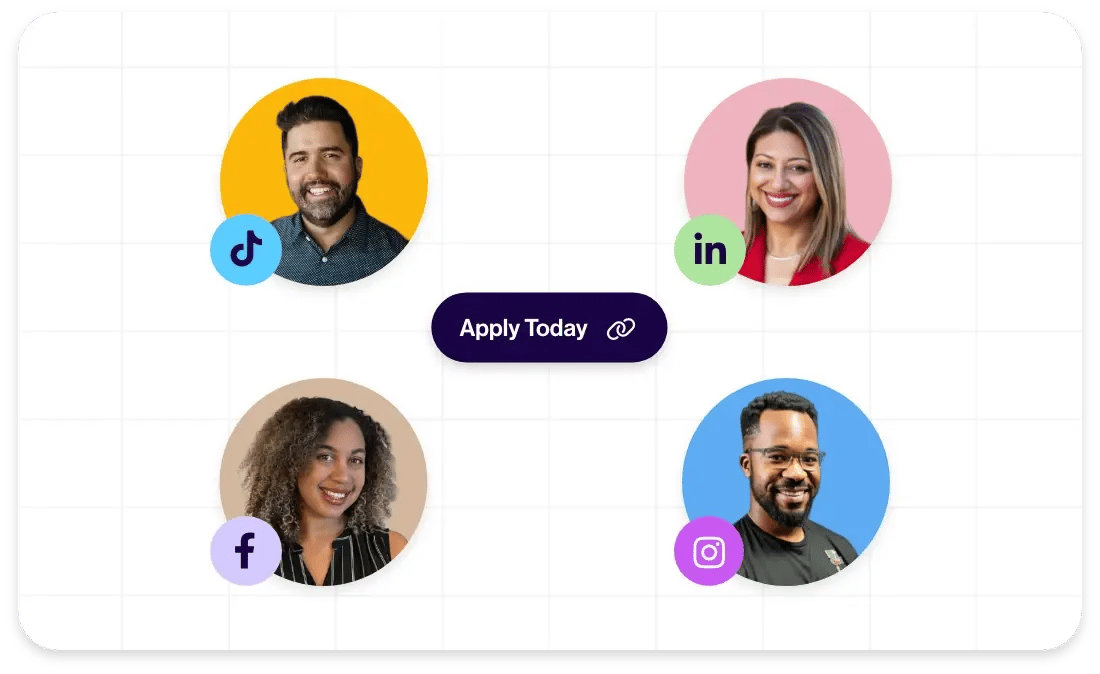
This is where peer networks and creator ecosystems become critical. They act as trust amplifiers, translating corporate messaging into relatable context.
In practice, this means recruiting is no longer just a marketing function. It is a networked influence system. The goal is not only to reach candidates, but to reach them through sources they already believe.
This has major implications for talent acquisition strategy. Traditional recruiting channels are optimized for reach, not trust. Job boards and ads can deliver impressions, but they rarely deliver credibility.
Trust-based systems, on the other hand, prioritize authenticity over scale. A single trusted recommendation can outperform thousands of passive impressions.
This does not mean traditional channels disappear. It means they must be complemented by trust layers that sit on top of distribution.
Organizations that understand this shift are beginning to invest in creator-led recruiting, employee advocacy programs, and decentralized job sharing networks. These systems don’t replace recruiting—they rewire how trust flows through it.
Ultimately, recruiting success will depend less on how many people see a job and more on how many people believe in it.
Because in a trust-based system, visibility without credibility is noise.