

Most recruitment marketing doesn't fail because it's poorly made.
It fails because it feels like marketing.
Recruiting teams spend months producing polished employer brand videos, designing beautiful career sites, and crafting carefully worded job advertisements. The result is often impressive. Professionally produced. On-brand. Approved by every stakeholder.
And largely ignored.
The problem isn't quality.
The problem is trust.
Today's audiences have become remarkably good at recognizing corporate messaging. The moment content feels like it is trying to persuade them, many people scroll past it without a second thought. Not because they dislike the company, but because they've learned to filter out anything that resembles advertising.
Algorithms have learned the same lesson.
Social platforms don't reward content because it comes from a recognizable brand. They reward content because people engage with it. They measure likes, comments, shares, watch time, saves, and conversations. Every interaction is a signal that the content is worth showing to someone else.
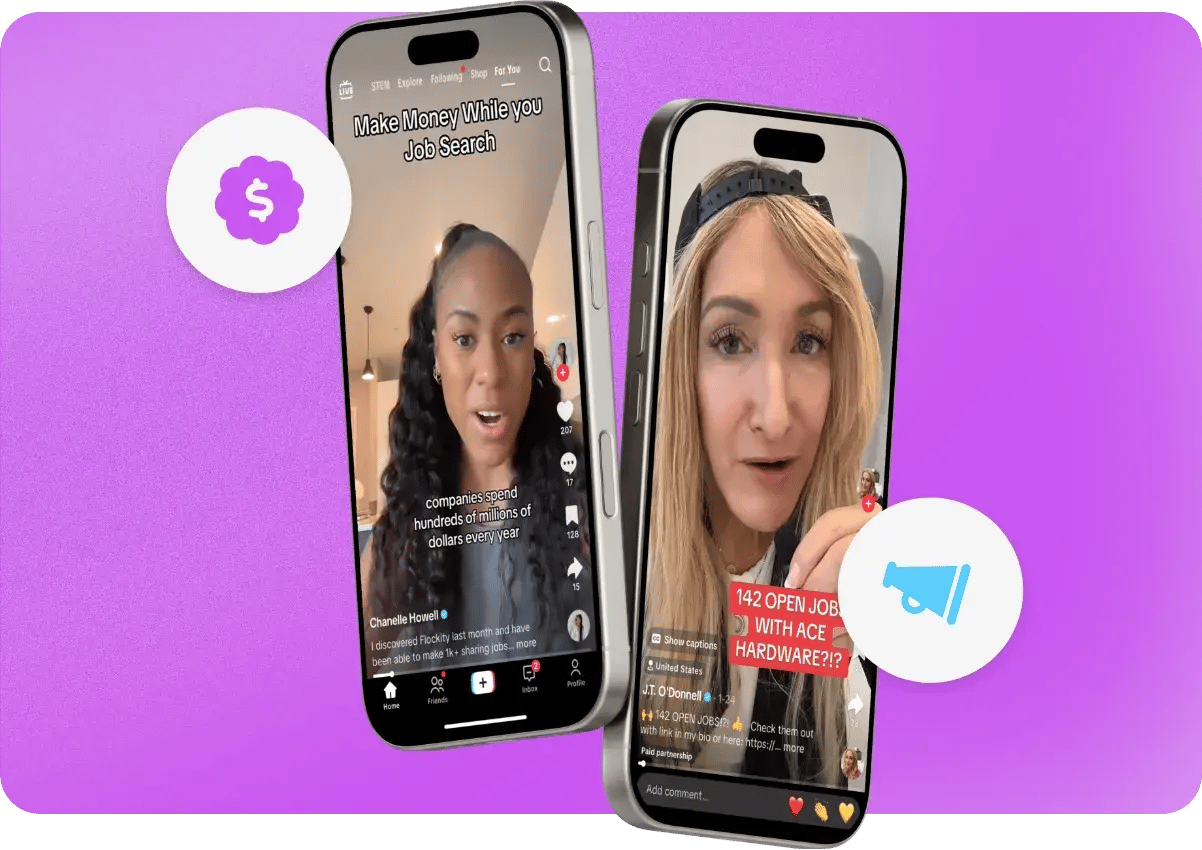
That's why creator-led recruitment content performs differently.
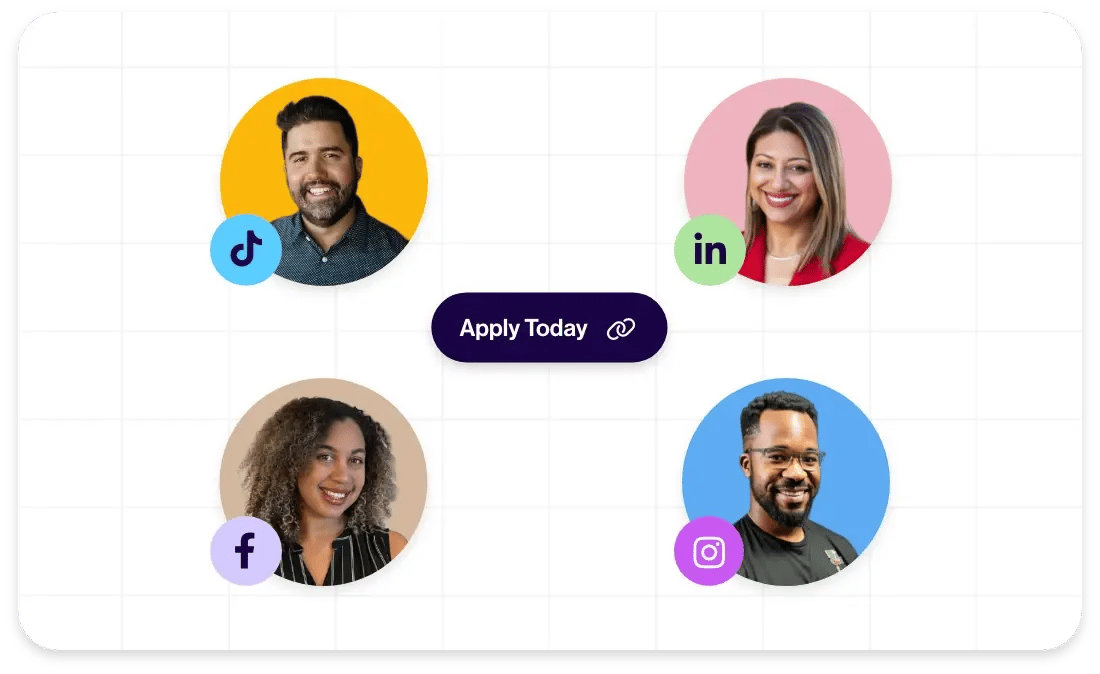
When a career coach shares an opportunity, it feels like advice.
When an industry expert talks about a company, it feels like insight.
When an employee shares their experience, it feels like a recommendation.
The message may be similar, but the source changes everything.
Trust is transferable.
People don't simply consume creator content. They respond to it. They ask questions. They share it with friends. They tag colleagues who might be interested. Those interactions create the engagement signals that algorithms are designed to amplify.
Corporate content, by comparison, often reaches only the people who were already following the brand.
This creates an expensive cycle.
Organizations invest heavily in producing more recruitment content, but relatively little in helping that content travel beyond their existing audience. They optimize the message while overlooking the distribution.
Marketing has long understood that great products still need great distribution.
Recruitment is beginning to learn the same lesson.
The organizations that consistently attract talent won't necessarily produce more content than everyone else. They'll produce content that people want to engage with—and they'll empower trusted voices to carry that message into communities the corporate brand could never reach alone.
That doesn't mean companies should stop creating employer brand content.
It means they should stop expecting corporate channels to do all the work.
The future of recruitment marketing isn't replacing the employer's voice.
It's multiplying it through the voices that candidates already trust.
Because in today's hiring landscape, authenticity isn't a creative style.
It's a distribution strategy.