
For years, talent acquisition leaders have been told the same story.
Invest in your employer brand. Build a compelling career site. Create engaging content. Showcase your culture. Tell employee stories.
The logic is sound. Candidates want to understand what it's like to work for an organization before they apply. Strong employer brands attract stronger talent, improve conversion rates, and reduce hiring costs.
Yet many organizations have discovered an uncomfortable truth: even after investing heavily in employer branding, hiring outcomes often remain stubbornly unchanged.
Applications stagnate. Awareness remains limited. Open roles take longer to fill. The content is good, but the results don't follow.
The problem isn't the employer brand.
The problem is distribution.
The Invisible Content Problem
Most employer branding strategies assume that creating content is the hard part. In reality, creating content has never been easier.
Organizations publish employee spotlights, day-in-the-life videos, diversity initiatives, leadership interviews, and culture stories every day. Career sites are more sophisticated than ever. Talent acquisition teams have become skilled content marketers.
Yet much of this content suffers from a simple challenge: very few people ever see it.
In a world increasingly governed by algorithms, visibility is no longer guaranteed. Publishing content does not ensure distribution. Creating content does not ensure discovery.
The result is what many recruiting teams experience today: a growing library of excellent content that reaches only a fraction of its intended audience.
This is not a content problem.
It is a distribution problem.
Algorithms Changed the Rules
Over the past decade, social platforms have fundamentally altered how information spreads.
Corporate pages once enjoyed predictable organic reach. Today, algorithms prioritize individuals over organizations. People engage with people. They follow people. They trust people.
As a result, a company may have thousands of followers on a corporate page while an employee, creator, or industry expert generates significantly more engagement with a single post.
This shift has profound implications for recruiting.
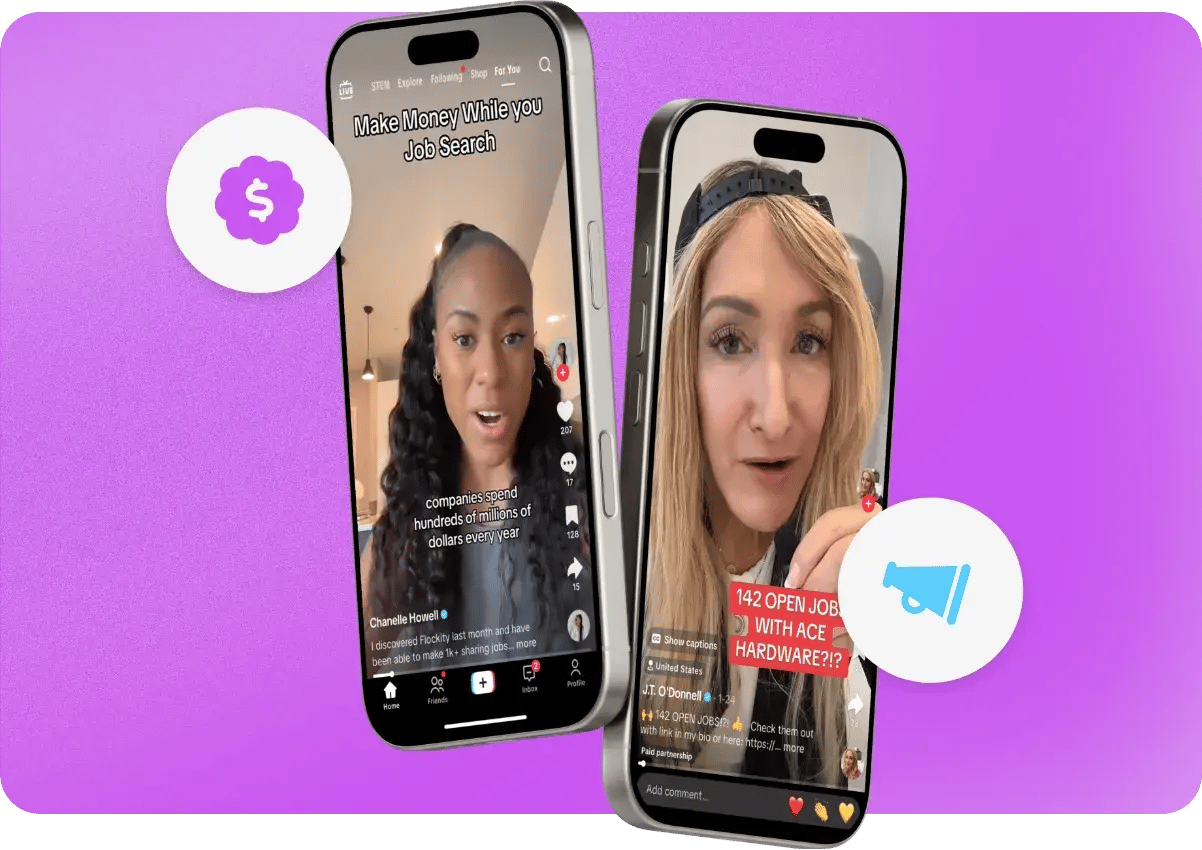
Many employer branding strategies remain rooted in a publishing model. Organizations create content and push it through corporate channels. But candidates increasingly discover opportunities through personal networks, creators, and trusted voices.
The recruiting industry has spent years optimizing what companies say. The next frontier is optimizing who says it.
Employer Branding Without Distribution Is Advertising
Imagine a consumer brand investing millions to produce a television commercial and then never purchasing airtime.
The creative might be exceptional. The messaging might be flawless. The production value might be world-class.
Without distribution, none of it matters.
Recruiting often operates under a similar assumption. Organizations invest heavily in employer branding assets while dedicating comparatively little attention to how those assets will be distributed.
The result is predictable. Valuable content remains trapped within career sites, corporate social channels, and employer brand microsites.
Candidates cannot be influenced by content they never encounter.
This is why some organizations with exceptional employer brands continue to struggle while others with less polished messaging outperform them. Visibility frequently beats perfection.
The Rise of Distributed Trust
Job seekers increasingly behave like consumers.
Before making purchasing decisions, consumers seek recommendations from friends, creators, experts, and online communities. They trust people who feel authentic and relatable.
Candidates are no different.
When someone discovers an opportunity through a trusted employee, respected creator, former colleague, or industry influencer, the message carries a level of credibility that traditional corporate communications often struggle to achieve.
This dynamic creates what can be described as distributed trust.
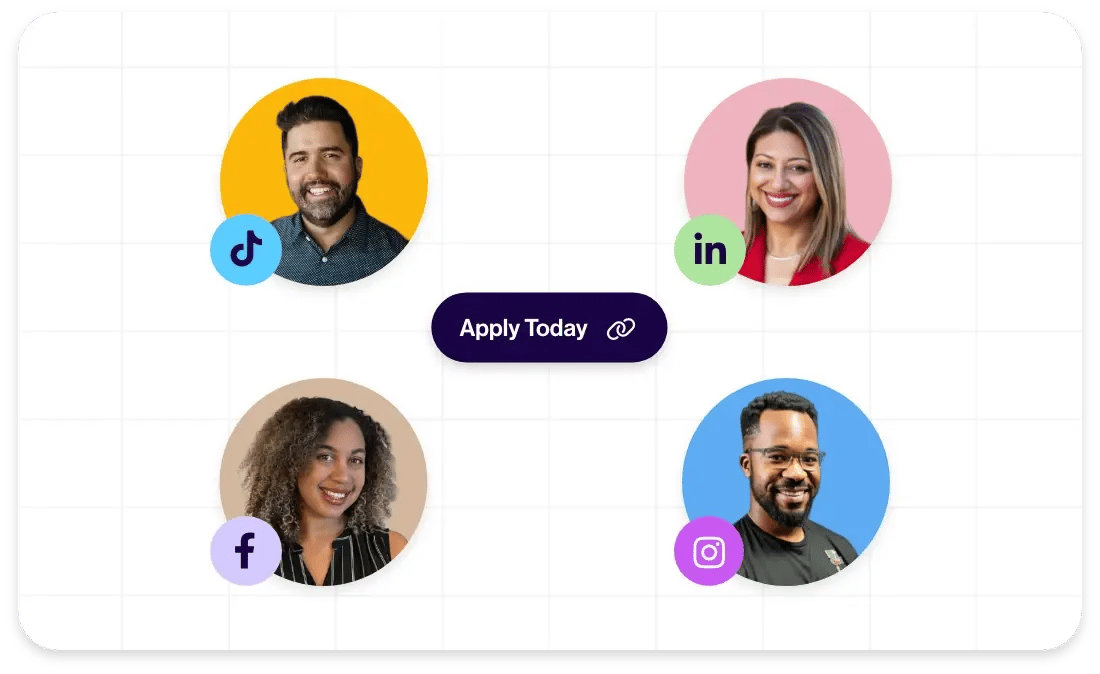
Rather than relying exclusively on brand-owned channels, organizations can leverage networks of trusted individuals to extend reach, increase visibility, and create credibility at scale.
The most successful recruiting organizations are beginning to recognize that their audience already exists. The challenge is not building attention from scratch. The challenge is activating trusted distribution channels that already have it.
The Future Belongs to Distribution
Employer branding remains essential.
Candidates still care about culture. They still want transparency. They still evaluate companies based on reputation and employee experiences.
But the organizations that win in the coming decade will recognize an important distinction.
Employer branding creates the message.
Distribution creates the audience.
One without the other is incomplete.
As recruiting continues to evolve, talent acquisition leaders must ask a new question. Instead of focusing exclusively on what they want candidates to hear, they must also consider who candidates are most likely to hear it from.
The companies that solve that challenge will gain a significant advantage.
Because in an algorithm-driven world, the best employer brand is not necessarily the one with the best content.
It's the one candidates actually discover.