

What if your biggest recruiting challenge isn't competition for talent, but the fact that you're competing for the same talent as everyone else?
Across industries, employers invest heavily in reaching people who are already looking for work. Job boards, paid search, and programmatic advertising help connect open roles with active candidates. These channels play an important role in talent acquisition. But when too much of recruiting depends on reaching people who are already searching, employers can find themselves competing for a familiar pool of talent while qualified people outside that pool remain largely undiscovered.
We call the gap between the talent employers are reaching and the talent they could be reaching the candidate cliff. It's the point at which more investment in familiar channels may not be enough to expand the audience available to you. You can optimize your job descriptions, refine your targeting, and improve your application experience. But if the right people never encounter your opportunities, those improvements can only take you so far.
Consider a professional who has the exact experience your organization needs. They're doing well in their current role, aren't browsing job boards, and haven't updated their résumé in years. They aren't necessarily opposed to making a move. They simply haven't been given a reason to consider one. Meanwhile, several employers are competing for the attention of candidates who are actively searching, often using similar channels to reach them.
The result is a familiar recruiting challenge: high competition for visible talent, pressure on budgets, and a persistent question about where the next qualified candidates will come from.
Consumer marketing has a name for part of this problem: demand capture versus demand creation. Demand capture focuses on people who already know what they want and are taking steps to find it. Demand creation introduces products, ideas, or brands to people who may not yet be considering them. Both are necessary. But brands that invest only in capturing existing demand can limit their future growth.
Recruiting faces a similar opportunity. Job boards and search-based channels help employers connect with people who have already signaled interest in a move. Job discovery can help introduce career opportunities to people who haven't started searching. It expands the possibility of who might consider an employer, rather than relying exclusively on the people already looking.
This distinction is especially important for specialized professional roles, where the available talent pool may be limited and the cost of leaving a position unfilled can be significant. It also matters when employers need to build awareness in competitive markets, reach people with uncommon skills, or introduce themselves to candidates who wouldn't naturally think of them as a potential employer.
The answer isn't to abandon the channels that work. It's to recognize where they work best — and where another approach can complement them.
Imagine a recruiting strategy with two objectives. The first is to capture existing demand by connecting with people actively looking for their next role. The second is to expand demand by helping new audiences discover the organization, its opportunities, and its people. The first helps convert existing interest. The second helps create the conditions for new interest to emerge.
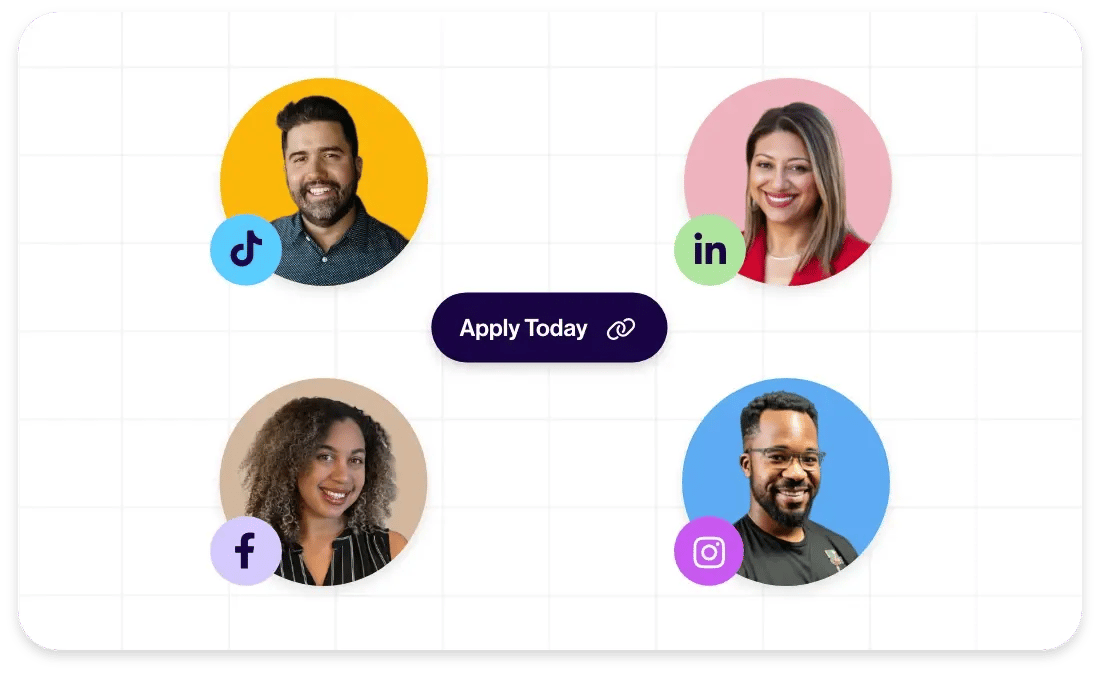
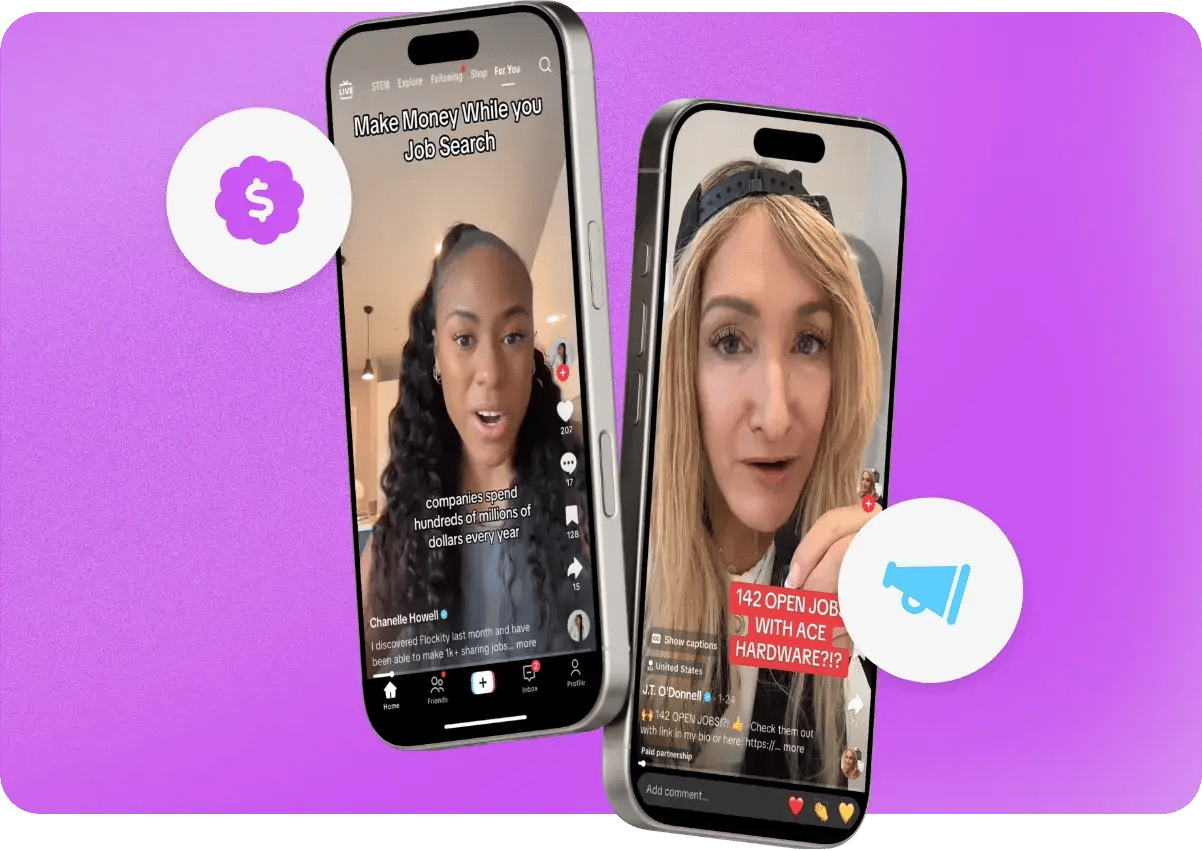
People-powered distribution can play a role in that second objective. Employees, creators, and trusted professional voices can introduce opportunities to audiences an employer may not reach through its own channels. A job shared in a relevant social feed can spark curiosity in someone who wasn't planning to search. A creator discussing a career path can make an unfamiliar role feel accessible. An employee's perspective can give a potential candidate a reason to learn more about a company they hadn't previously considered.
Not every discovery will lead to an application, and not every new visitor will become a candidate. That's precisely why measurement matters. Employers need to understand whether they're reaching new people, whether those people engage with career content, and whether discovery contributes to meaningful downstream outcomes. Net-new career-site visitors, incremental audience reach, new applicant growth, and the cost of reaching previously untapped audiences can all help tell that story.
The candidate cliff isn't a reason to abandon established recruiting strategies. It's a reason to look beyond them. When the same channels are doing the heavy lifting year after year, employers should ask whether they're simply getting better at competing for existing talent — or actually expanding the talent they can reach.
At Flockity, we believe the next opportunity in recruiting is not just finding better ways to reach people who are already looking. It's helping more of the right people discover opportunities they didn't know existed.
Because the cost of recruiting isn't limited to what you spend reaching candidates.
It's also the opportunity cost of the people you never reach.