

For decades, employers have focused on getting their jobs in front of people who are already looking. Post a job. Buy the media. Optimize the listing. Wait for candidates to find you. But the way people discover opportunities has changed, and the forces shaping what they see are often invisible to the organizations trying to reach them.
Today, algorithms influence what people read, watch, share, and consider. They shape the content that appears in social feeds, introduce people to new ideas, and surface voices they may never have sought out themselves. That means an employer's ability to attract talent isn't determined solely by what it publishes or how much it spends. It's also influenced by whether its opportunities can travel through the digital environments where people already spend their time.
So, how does the algorithm actually work?
There isn't one algorithm. TikTok, Instagram, LinkedIn, and other platforms use different recommendation systems, each designed to serve content in ways that encourage relevance and engagement. These systems can consider signals such as a person's past interactions, the content itself, their relationships, and how other users respond. The precise signals and their relative importance vary by platform and change over time. No formula guarantees reach, and anyone claiming to have a universal algorithm hack is selling certainty that doesn't exist.
But understanding every technical detail isn't necessary to recognize the strategic opportunity. Algorithms influence discovery. And discovery influences what people know is possible.
Consider the difference between searching for a job and encountering one unexpectedly. A professional browsing a job board has already expressed some degree of intent. Someone scrolling through a social feed may have no intention of changing jobs at all. But a compelling story from an employee, a creator discussing a career path, or a relevant opportunity shared by someone they trust can introduce an entirely new possibility. The content doesn't need to persuade that person to make a move immediately. It needs to make the opportunity visible and worth considering.
This is where recruiting can learn from consumer marketing. Successful consumer brands don't rely exclusively on people searching for their products. They invest in distribution, creative content, recommendations, and trusted voices to help their brands enter the consideration set. They understand that before someone can choose a brand, they have to encounter it. Employers face the same challenge. A career site can be excellent, a job description can be compelling, and an employee value proposition can be differentiated. But none of those things can influence someone who never sees them.
The important question, then, isn't simply how an employer can make a post perform better. It's how an opportunity can reach beyond the audience an employer already has.
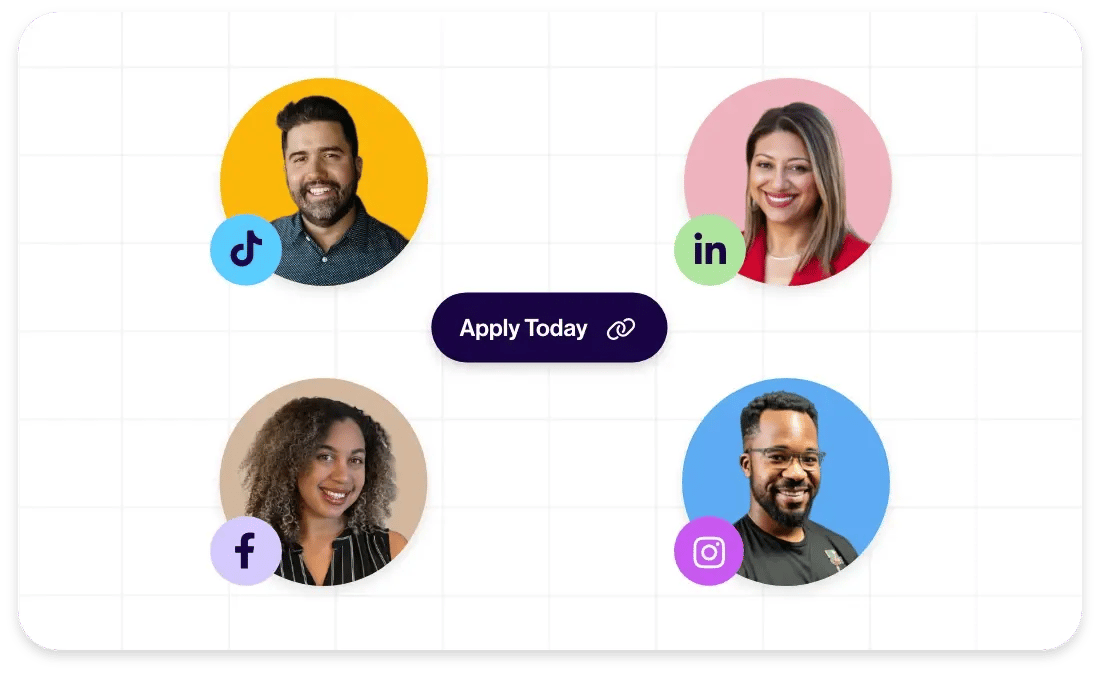
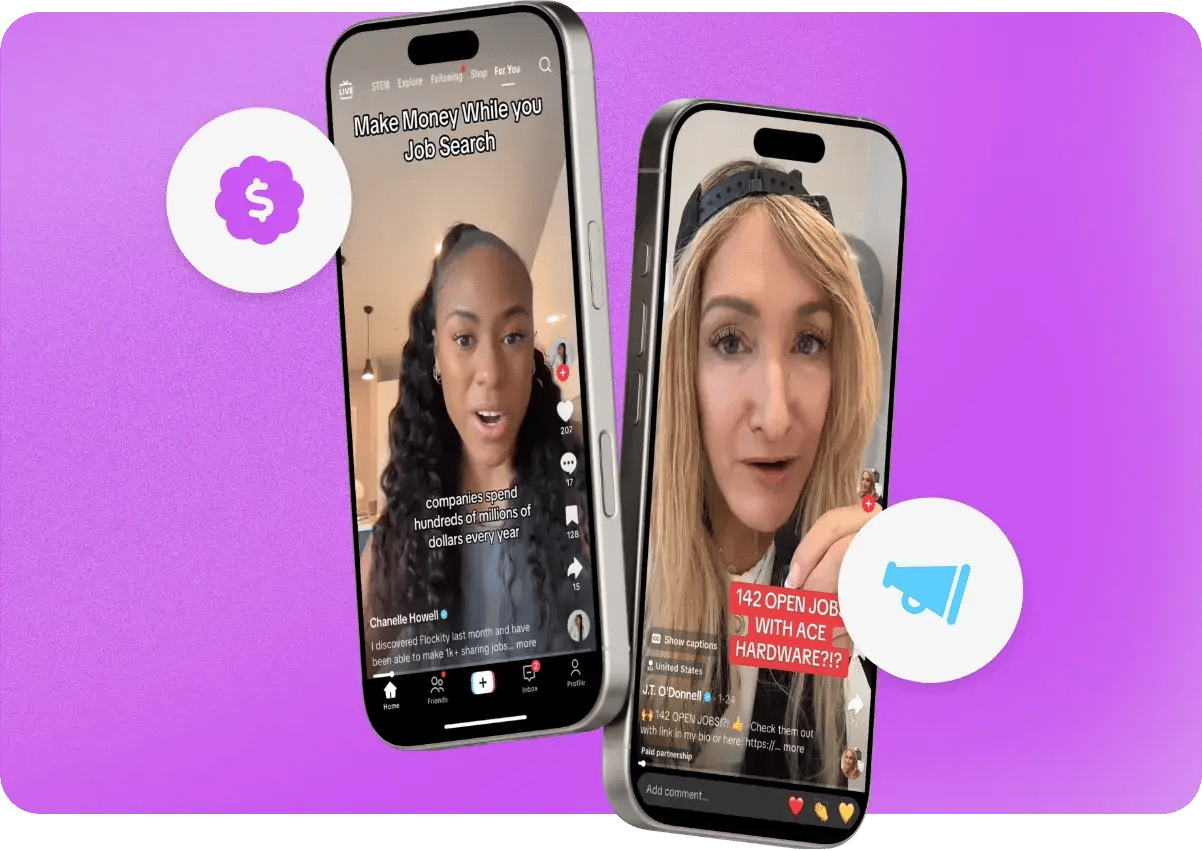
People are a critical part of that equation. Employees, creators, and professional voices bring their own audiences, perspectives, and relationships. When they share opportunities in ways that fit their content and resonate with their audiences, they can help jobs travel beyond an employer's owned channels. A role that might otherwise appear only to people following a company page can enter a different network, conversation, or professional community.
This isn't about gaming the algorithm. It's about understanding distribution and giving opportunities more ways to travel. The content still needs to be relevant. The audience still needs a reason to care. And the person sharing it needs to do so authentically. The algorithm can influence who encounters content, but it cannot manufacture genuine relevance or trust on its own.
At Flockity, this is central to how we think about job discovery. We help employers distribute opportunities through people-powered networks, reaching audiences beyond those who are actively searching or already connected to the brand. Our focus isn't on promising that a particular algorithm will deliver a predictable outcome. It's on creating more opportunities for the right people to discover jobs they might otherwise never see.
That distinction also changes how we think about performance. Views and engagement can help explain whether content is attracting attention, but they don't tell the entire story. Did the distribution reach new audiences? Did it bring net-new visitors to the employer's career site? Did it introduce the organization to people it wasn't reaching through existing channels? Did it contribute to a broader pool of potential talent?
These are the questions that connect the mechanics of discovery to business value. They also point toward a more complete measurement model, one that considers not only how effectively employers convert existing demand but how effectively they expand their reach.
The algorithm may be the gatekeeper, but employers aren't powerless. They can rethink where opportunities are distributed, who helps share them, and how success is measured. They can move beyond relying exclusively on people to come looking and start building strategies that help opportunities find people.
The next evolution of recruiting won't come from understanding only how candidates search. It will come from understanding how people discover.
At Flockity, we believe that discovery deserves to be treated as a deliberate, measurable part of talent acquisition — not a happy accident that happens somewhere between posting a job and hoping the right person sees it.