

Recruiters like to think they control job distribution. They write the job, post the job, choose the channels, pay to promote it and send it to candidates. Then they wait for people to apply.
But increasingly, there is another player in the room: the algorithm.
Before a candidate ever sees your job, an algorithm may have already decided whether it is worth putting in front of them.
Your job isn't competing with other jobs
This is where recruitment marketing needs to start thinking differently. Your job isn't just competing with another company's job posting. It is competing with everything else in someone's feed.
A career video is competing with a friend's vacation photos. A job post is competing with breaking news, sports highlights, memes, creators, family updates and thousands of other pieces of content designed to capture attention. The algorithm doesn't particularly care that your Director of Engineering role is important to your hiring manager. It cares whether people will stop, engage and keep scrolling.
That's a pretty brutal reality for recruitment. But it also creates an opportunity.
Algorithms follow people
The algorithms powering social platforms are constantly learning what people care about: who they follow, what they watch, what they click, what they share and what they ignore.
That means distribution is increasingly personalized. Two people can open the same platform at the same moment and see completely different worlds.
So when an employer publishes a job on its corporate channel, the audience isn't really “everyone who follows us.” It's the subset of people the algorithm decides might actually care.
And if your employer brand doesn't have much engagement, or your content consistently looks like corporate content, the algorithm has little reason to push it beyond the people who already know you.
This is why people matter
Here's the interesting part: algorithms may control what gets surfaced, but people create the signals that help content travel.
A creator shares something and their audience engages. An employee posts about a role and colleagues comment. Someone sees it, shares it with a friend, and suddenly the content has moved outside the employer's existing audience.
The people aren't just delivering the message. They're creating the activity that tells the algorithm: this might be worth showing to more people.
That's a very different proposition from simply asking employees to repost the company's LinkedIn post.
The corporate account isn't always your best distribution channel
This may be uncomfortable for employer brands. Your company account is important. It establishes credibility, gives people somewhere to learn more and creates an owned presence. But it doesn't necessarily have to be the loudest voice in the room.
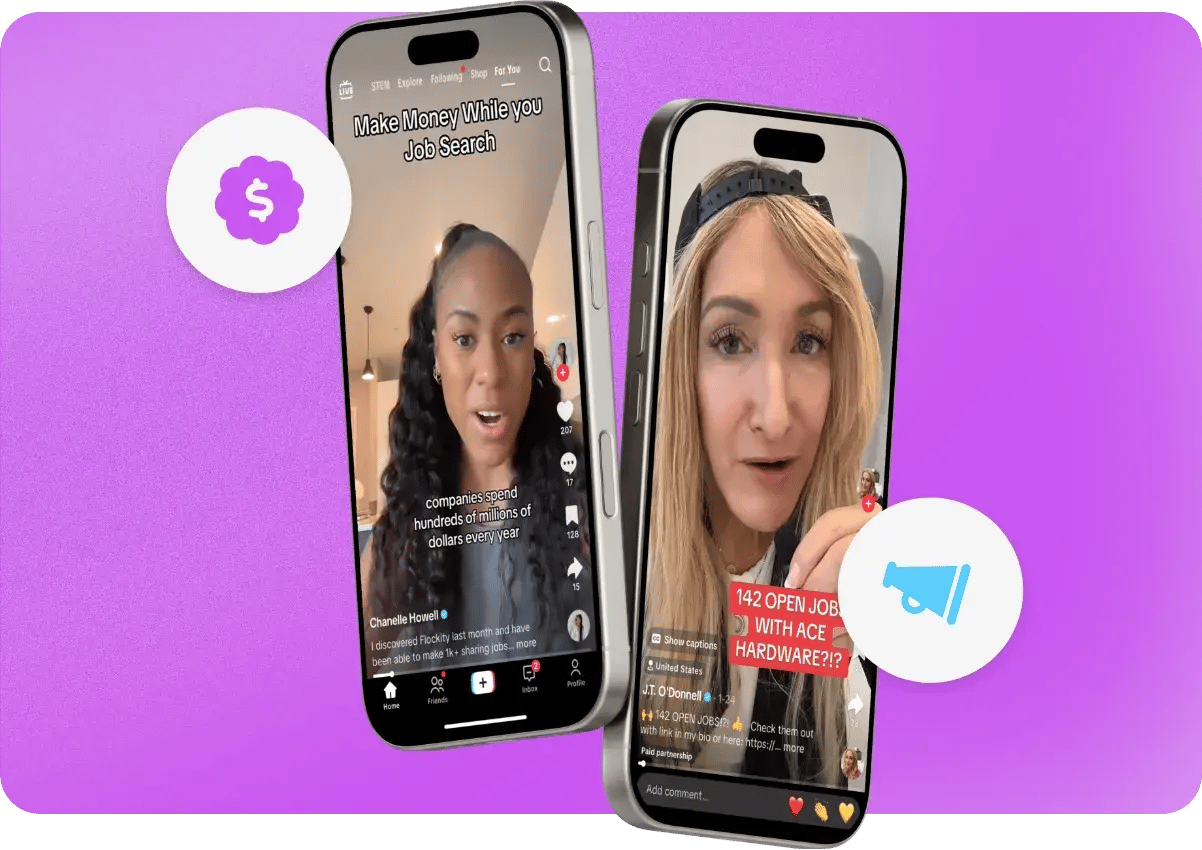
Sometimes the most effective person to introduce your company is an employee. Sometimes it's a creator who has never worked for you. Sometimes it's someone who simply knows your industry and has built an audience around it.
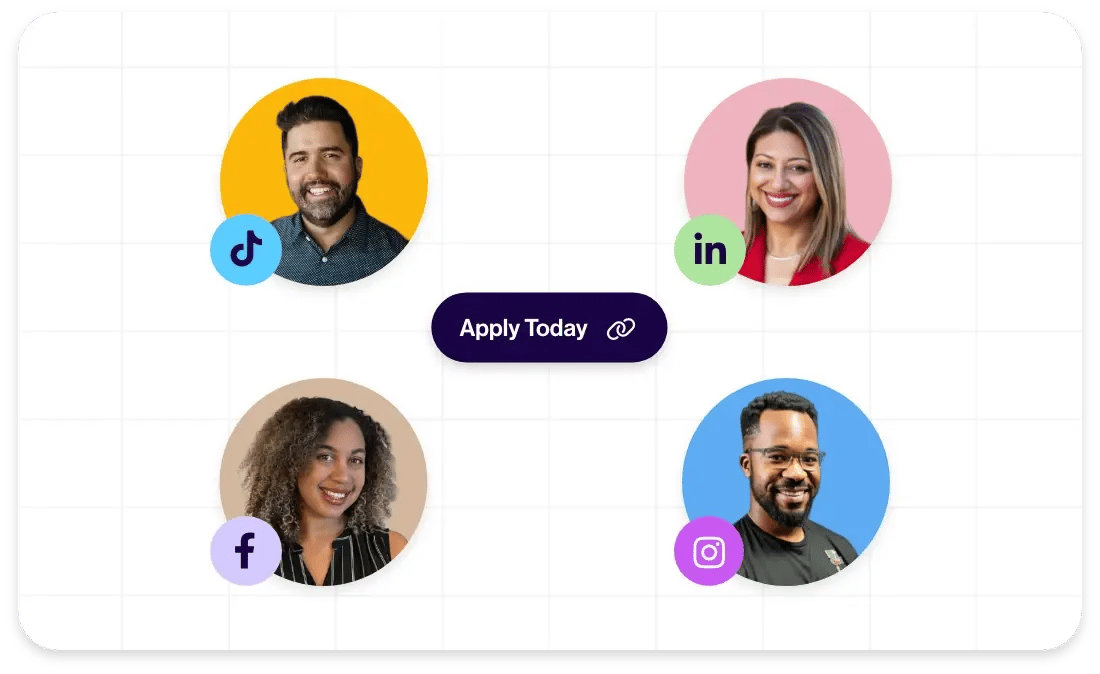
The opportunity is to build a network of people who can help your jobs travel—not because everyone needs to become an influencer, but because everyone can be a distributor.
And now AI is joining the party
The algorithm isn't limited to social media anymore. Search engines decide what gets surfaced. Recommendation engines decide what gets suggested. AI systems increasingly decide what information gets included in an answer.
This changes the question employers should be asking. Not simply, “Did we publish this?” but “Is this discoverable?”
And even more importantly: “Are there enough signals around our company, our people, our opportunities and our expertise for algorithms to understand why someone should find us?”
That is a much bigger challenge than optimizing a careers page.
Recruitment marketing is becoming algorithmic
This doesn't mean humans are disappearing from recruitment marketing. Quite the opposite. It means humans may become even more important.
Algorithms can determine what gets surfaced, but people determine what feels relevant. People create trust. People provide context. People make a company feel like a place rather than a logo.
The employers who figure this out won't abandon their owned channels. They'll build an ecosystem around them. Their jobs won't live in one place. Their stories won't live in one place. Their people won't live in one place. They'll create more opportunities for all of it to travel.
Because before someone can apply to your job, they have to see it.
And increasingly, you don't get to decide who sees it.
The algorithm does.