

Recruitment marketing has spent years getting very good at defining the candidate.
We build personas. We map demographics. We identify skills, experience, interests, locations and career motivations. We figure out where these people spend their time and then try to put our employer brand in front of them.
It makes sense.
But there may be a more interesting question to ask: Who could introduce us to them?
Because the person who ultimately discovers your job may not be the person you targeted.
They may be connected to someone who already knows you.
The person you want to reach may not be the person who gets you there
Think about how people actually discover things they care about.
We ask friends for restaurant recommendations. We send each other podcasts. We share articles. We recommend products. We forward job opportunities.
We don't necessarily trust the brand to tell us what's worth our attention. We trust people we already trust.
Jobs aren't exempt from this behavior.
Someone might not be following your company. They might not be subscribed to your talent community. They might never visit your careers site. They might not even be thinking about changing jobs.
But someone they follow might mention your company, share an opportunity or tell them, “You should check this out.”
Suddenly, your employer has entered the conversation.
This is where traditional targeting gets interesting
Traditional recruitment marketing asks: Who are we trying to reach?
A people-powered approach adds another question: Who already has their attention?
That changes the strategy.
Instead of only identifying your ideal candidate, you start identifying the people and networks that could introduce your company to them.
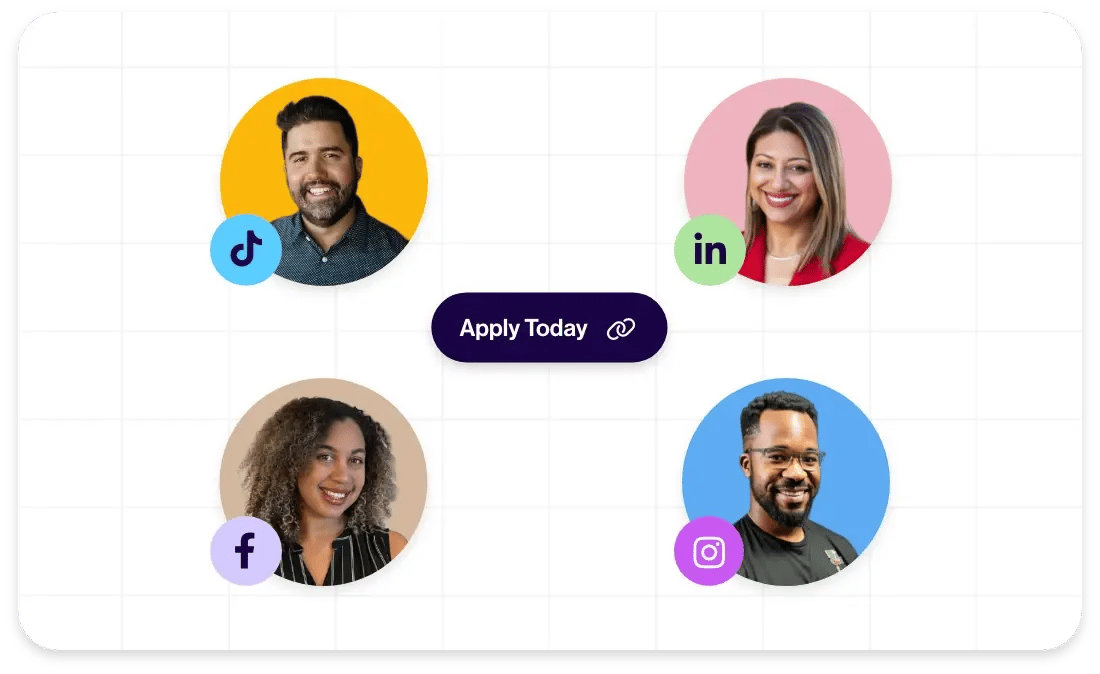
That could be an employee with a highly relevant professional network. A creator who talks about your industry. A career coach whose audience trusts their recommendations. A professional community with exactly the talent you're struggling to reach.
The goal isn't to turn all of these people into recruiters.
It's to recognize that relationships are part of your distribution strategy.
Your employees aren't just employees
This is one of the reasons employee influencer programs are becoming so interesting.
An employee doesn't just represent your employer brand. They have their own network, credibility and point of view.
They may know people your corporate account will never reach.
And importantly, their value isn't necessarily determined by follower count.
Someone with 1,200 highly relevant connections may be far more useful for a specific hiring challenge than someone with 100,000 followers who has no relationship to the audience you need.
This is why “influencer” can be a misleading word.
We're not just talking about celebrities or people with enormous audiences.
We're talking about people who can influence discovery.
Creators can introduce employers to entirely new audiences
The same principle applies to creators.
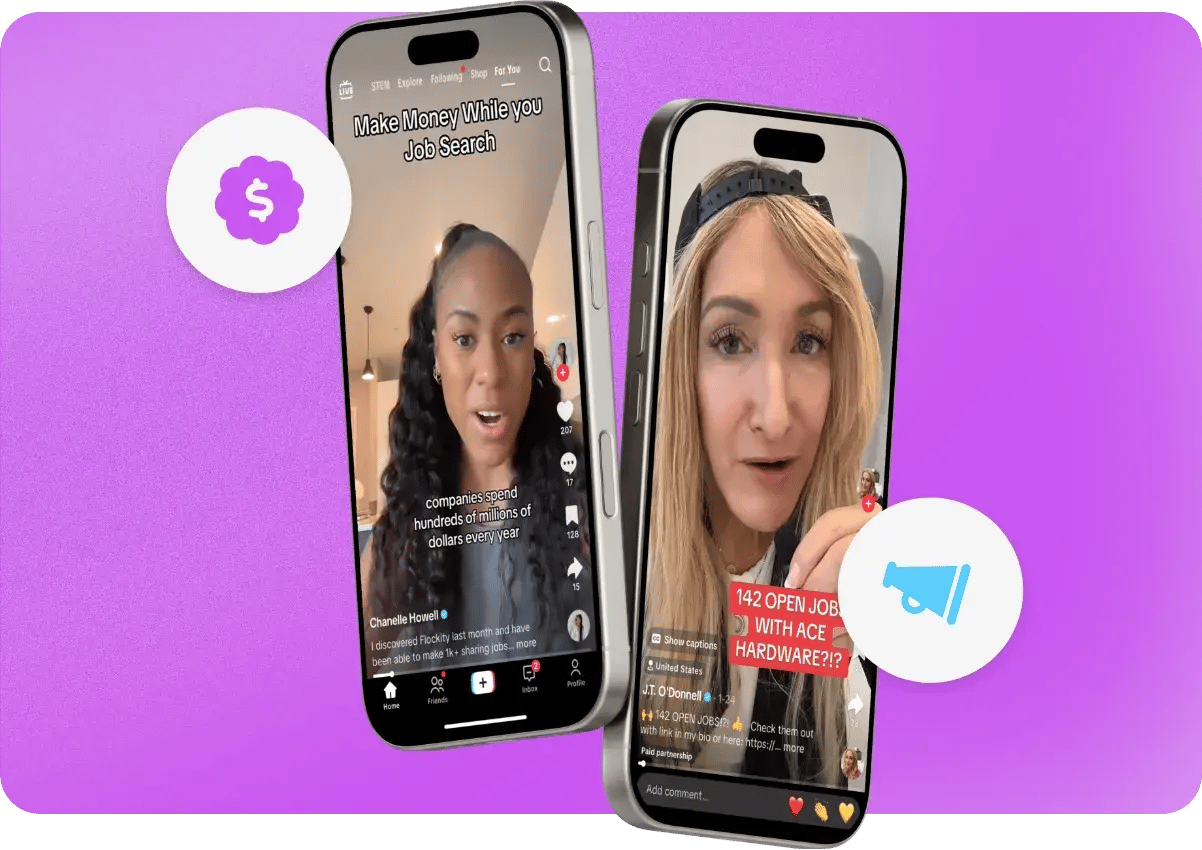
A creator doesn't have to work for your company to help someone discover it.
In fact, sometimes that's exactly what makes the introduction more credible. They're not speaking as an official company spokesperson. They're speaking to an audience that already trusts their perspective.
That doesn't mean every creator should promote every job.
Quite the opposite.
The best creator relationships are relevant, authentic and selective. The creator has a reason to believe the opportunity is worth sharing, and the audience has a reason to believe them.
That's where distribution becomes much more than amplification.
It's introduction.
The Orbit is bigger than the employer
This is also why recruitment marketing needs to think beyond the traditional employer-to-candidate funnel.
The employer sits at the center, but around it is an orbit of people who can help talent discover, understand and consider the organization.
Employees. Creators. Customers. Alumni. Partners. Communities. Advocates.
Each one has their own network and their own relationships.
The opportunity isn't to control every message that travels through that orbit. It's to create enough trust, relevance and opportunity for people to want to help it travel.
That requires a different kind of confidence from employers.
You have to let people have a voice.
The future of recruitment may be about introductions
We often talk about recruitment as a matching problem: find the right candidate and connect them with the right job.
But discovery happens before matching.
And discovery is often social.
Someone introduces you to a company. Someone tells you about a role. Someone makes you curious enough to click. Someone gives you a reason to pay attention.
That means the most important person in your next hiring campaign might not be your target candidate.
It might be the person who can introduce you to them.
So yes, keep building your candidate personas. Keep understanding your audiences. Keep optimizing your recruitment campaigns.
But add one more question to the brief:
Who could introduce us?
Because sometimes the shortest path to the right candidate isn't reaching them directly.
It's reaching the person they already trust.