

We keep talking about job search as if everyone is sitting around waiting for their next job.
They’re not.
Most people are busy living their lives.
They’re scrolling TikTok. Checking Instagram. Watching YouTube. Reading LinkedIn. Looking at makeup tutorials, dog videos, travel ideas, recipes, or whatever the algorithm decided they might like today.
They’re not searching for a job.
And that’s exactly why recruitment needs to start thinking beyond job search.
Because there’s a moment that happens before someone searches.
It’s discovery.
You see something you weren’t looking for. It catches your attention. You click. You learn more. Maybe you think, Wait… this is actually interesting.
That’s how people discover restaurants. Products. Podcasts. Places to travel. People to follow.
Why wouldn’t they discover jobs the same way?
For years, recruitment marketing has been built around the assumption that the candidate has to raise their hand first. Search for a job. Find a company. Visit a career site. Apply.
But what about the person who would be fantastic for the role and has absolutely no intention of looking?
They may not have updated their resume.
They may not have visited Indeed in months.
They may not even consider themselves a job seeker.
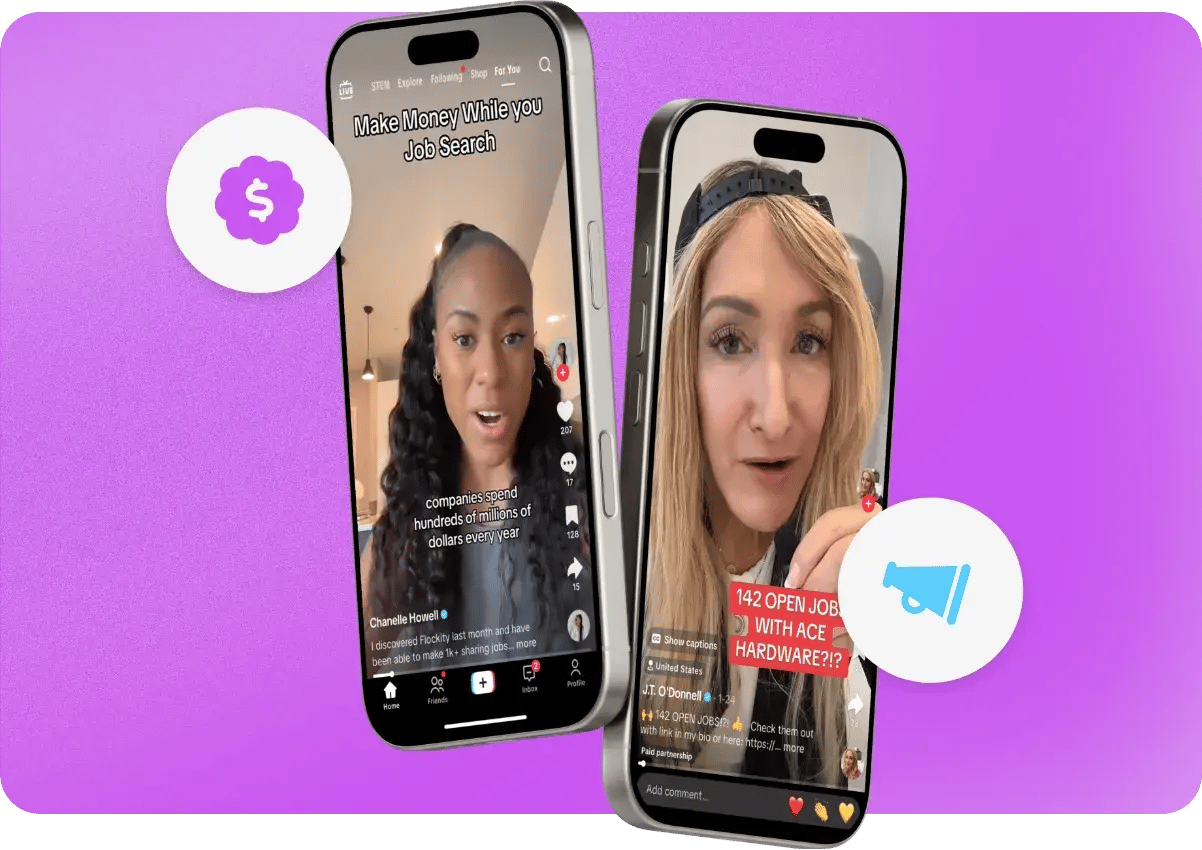
But they might stop scrolling when someone they trust says, “Hey, this company is hiring and this job is actually pretty damn good.”
That’s Job Discovery.
And it matters because the largest audience of potential talent isn’t necessarily the audience actively searching for jobs. It’s everyone else.
The people who are employed. The people who are open to the right opportunity but not motivated enough to go hunting for one. The people who would move for the right role, company, manager, flexibility, mission or paycheck—but aren’t going to type those words into a job board today.
AI may make job search faster.
Search engines may make it easier to find the right job.
Job boards may get better at matching people with opportunities.
But none of that solves the problem of what people discover before they ever decide to search.
That’s where algorithms—and the people who power them—become incredibly interesting for recruiting.
Because algorithms already decide what millions of people see every day.
The question is whether employers will start thinking about jobs as something worth discovering, too.
The future of recruiting isn’t just about helping people find the right job.
It’s about helping the right people discover the job in the first place.
And honestly?
That sounds a lot more like how the rest of the internet already works.