

For decades, recruiting has been built around a simple assumption: people decide they want a new job, they go looking for one, and employers compete to show up when they search.
That model is starting to look a little…old.
The problem isn't that people have stopped changing jobs. It's that the moment when someone becomes interested in a new opportunity increasingly happens before they ever start a job search.
Someone sees a video from a creator they follow. An employee posts about an interesting project. A friend shares an opening. An algorithm puts an unfamiliar company in front of them. An AI tool answers a question about where to work. Something sparks curiosity.
They weren't searching for a job.
They discovered one.
From job search to job discovery
This distinction matters more than it might initially appear.
Traditional recruitment marketing has been designed around intent. Find the people who are looking and make sure your jobs are visible to them. Optimize the career site. Buy job advertising. Improve search results. Retarget candidates. Get more people to apply.
All of those things still have a role.
But they are designed for the bottom half of the journey.
Job discovery starts much earlier. It happens when someone isn't necessarily thinking about changing jobs but is receptive to information, ideas, people and possibilities. It is the moment when “I'm not looking” can become “Huh. That's interesting.”
And that moment is increasingly happening in places that don't look anything like a job search.
Discovery is a distribution problem
This is where recruitment marketing has an opportunity to rethink its job.
Most employers have become very good at producing things they want candidates to see. Career videos. Employee stories. LinkedIn posts. Job descriptions. Employer brand campaigns. Social content.
The problem is that employers are often still relying on their own channels to distribute all of it.
That's a little like opening a fantastic restaurant and putting the restaurant's address on a billboard outside the restaurant.
The people who already know where you are will find you.
Everyone else? Not so much.
Job discovery requires a different approach to distribution. The question isn't simply, “How do we get more people to our careers site?”
It's “How many different ways can someone discover us?”
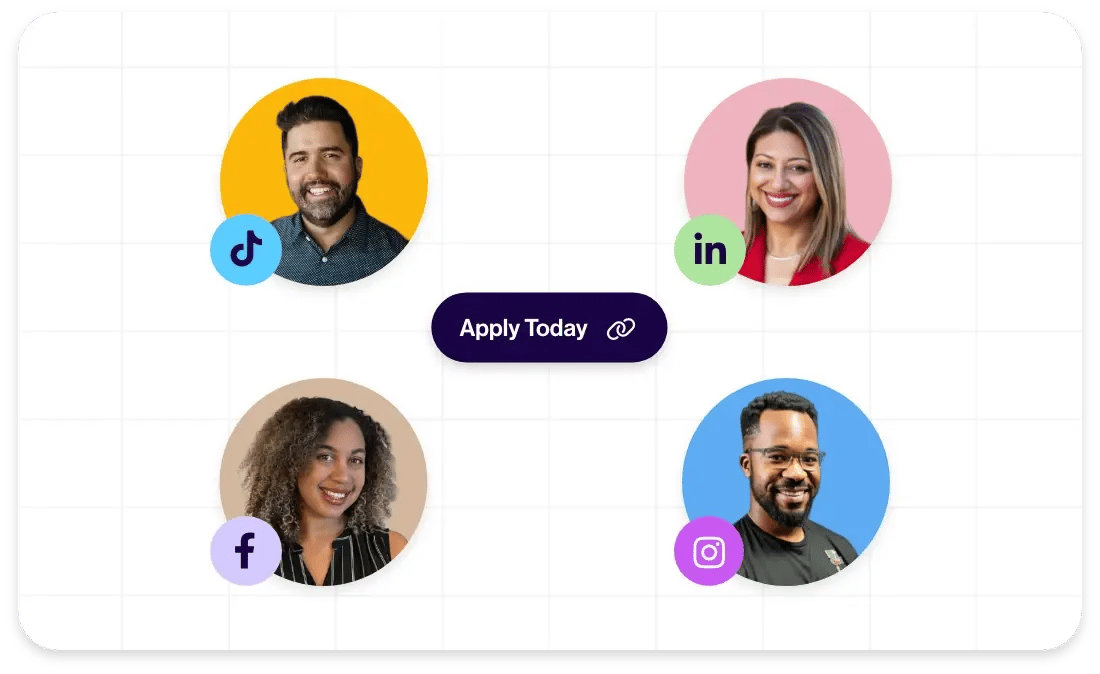
That could be through an employee. A creator. A professional community. A social algorithm. A conversation. A search result. An AI-generated recommendation. A piece of content that gets shared by someone who has no connection to the employer beyond believing the opportunity is worth passing along.
The job travels.
And the people who might be interested encounter it naturally, rather than having to announce to the world that they are looking.
The rise of people-powered discovery
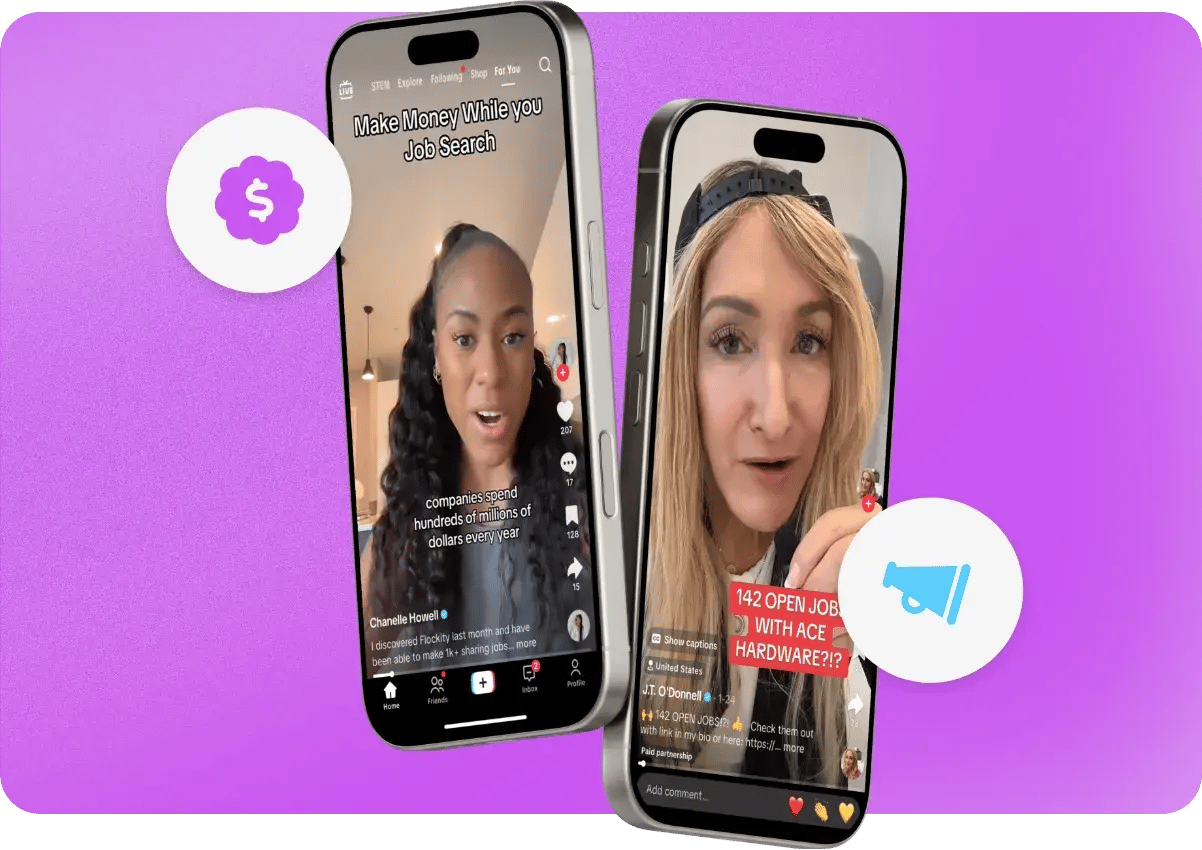
This is why the rise of creators and employee influencers in employer marketing is so interesting.
Their value isn't simply their audience size.
It's that they already have something most employer channels are desperately trying to manufacture: attention and trust.
A creator can introduce an employer to someone who would never have followed that employer's careers page. An employee can make a company feel more human. A professional with a niche audience can put an opportunity in front of exactly the people who might care about it.
The employer doesn't necessarily need to own the relationship.
It needs to participate in the network.
That's a fundamentally different way of thinking about recruitment distribution.
And then there's AI
AI makes this shift even more important.
People are increasingly able to ask questions such as, “What companies are hiring people with my experience?” or “Where should I look for a job in cybersecurity?” and receive an answer without ever visiting a traditional job board.
But AI doesn't eliminate discovery. It changes the mechanism of discovery.
The employer still needs to be findable. Its stories, people, jobs and reputation still need to exist in the places algorithms can understand and surface.
And once someone discovers an employer, something else still matters enormously: trust.
AI can surface the opportunity.
People can make it interesting.
Recruitment marketing needs a bigger funnel
This doesn't mean we should throw out job search. It means we need to stop treating it as the beginning of the candidate journey.
The new funnel is broader:
Discovery → curiosity → consideration → conversation → search → application.
Sometimes the person may jump straight from discovery to application. Sometimes they may spend six months quietly watching, reading, following and learning before they ever consider a move.
That's okay.
The goal isn't to force someone into a job search.
The goal is to make sure that when they become open to one, your company is already in their orbit.
Because the biggest opportunity in recruitment marketing may no longer be reaching people who are looking for jobs.
It may be reaching the people who haven't started looking yet.
That's job discovery.
And we think it's the next chapter of job distribution.